
Budget 2026: Are Pacific Families Being Asked to Carry the Heaviest Load Again?
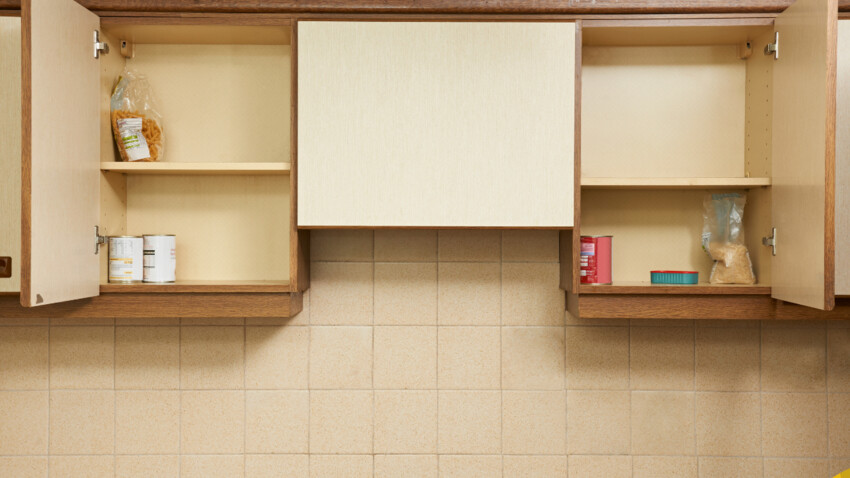
"I'm buying the cheapest white bread and bargain sausage packs just to get through the week. Milk is a luxury now. Rent's gone up, food's gone up, and we can't even afford the petrol to get to the food bank. People have no idea how hard it is." Malia Thompson, South Auckland mum
For many Pacific families, Budget 2026 doesn't feel like relief.
It feels like another bill, another cost and more sacrifices for our aigas - already holding the highest statistics in poor standards of housing, health and child poverty.
While politicians debate fiscal responsibility in Wellington, many Pasifika households are already making impossible choices at the supermarket checkout, the petrol station, and the kitchen table.
Do you fill the car up, buy milk or have power - how do we take our kids to the doctors or afford new clothes or shoes?
Options to send money home to family in the islands or to help with fa’alavalave are off the table for many now, and those impacts will be being felt by communities in need further afield.
For thousands of Pacific families, the answer is no longer straightforward.
Social Housing Families Set To Pay More
One of the biggest concerns is a change to social housing rents.
Income-related rents will increase from 25 percent to 30 percent of household income, meaning many families living in Kāinga Ora and other social housing will soon be paying more each week.
Modelling suggests around 84,000 households across Aotearoa could be roughly $31 worse off every week.
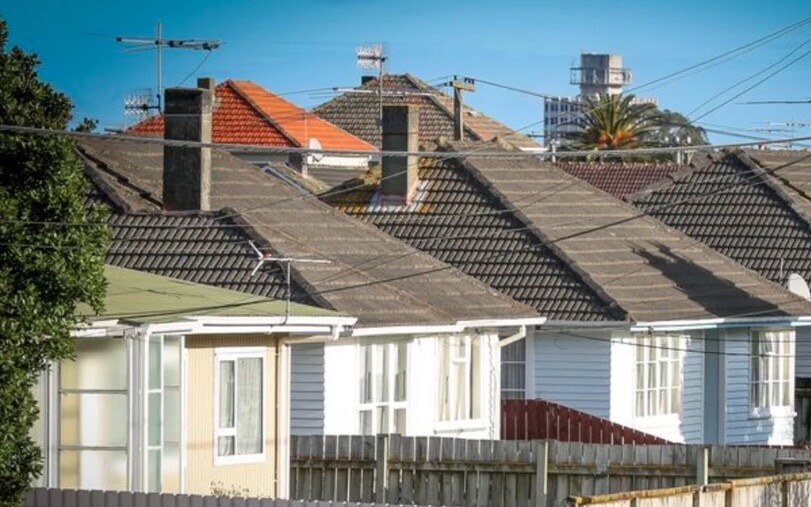
That might not sound like much to some people, but for families already stretching every dollar, that's school lunches, petrol to work, nappies, power bills, or groceries disappearing from the weekly budget.
For Pacific communities, where larger households and multi-generational living arrangements are common, those extra costs can hit particularly hard.
Pacific Families Already Facing The Toughest Conditions
The reality is that Pacific communities were already struggling before this Budget arrived.
Recent figures show Pacific children experience the highest levels of material hardship in New Zealand.
Almost three in ten Pacific children are going without essentials that many families take for granted.
Nearly half of Pacific children live in households experiencing food insecurity, where putting enough food on the table is an ongoing concern.
At the same time, Pasifika unemployment sits at almost 12 percent, more than double the national average - with Auckland's Pacific unemployment rate even higher.
Many Pacific workers who do have jobs are underemployed, meaning they can't get enough hours or stable work to make ends meet.
Against that backdrop, critics argue Budget 2026 is asking communities already carrying the heaviest burden to absorb even more pressure.spc
"Budgets Show What We Value"
The Aotearoa New Zealand Association of Social Workers says the Budget sends a worrying signal.
"Budgets reveal what we value. This Budget chooses cuts over care," says ANZASW Pou Whakahaere Nathan Chong-Nee.
Social workers are concerned that funding reductions and policy changes will weaken support systems designed to prevent hardship before families reach crisis point.
They also point to the end of the Fees Free tertiary education programme and rising study costs, warning that Pacific students could be discouraged from entering professions like social work, teaching, nursing and community services - sectors where Pacific representation is desperately needed.
More Cuts To Pacific Services
Critics are also questioning continued reductions to the Ministry for Pacific Peoples.
At a time when Pacific communities continue to face higher rates of poverty, housing stress and unemployment, some are asking why dedicated Pacific support services appear to be shrinking rather than growing.
Opposition MPs say Pacific communities are largely absent from the Government's priorities.
Labour deputy leader Carmel Sepuloni says Pacific families are being hit from multiple directions.
"There's a dismissiveness of our Pacific communities and the challenges they're facing around the cost of living and so many other things."
She argues Pacific people are being disproportionately affected by cuts across public services.
Green Party Pacific spokesperson Teanau Tuiono is even more direct.
"If you read the Budget, there's nothing in there for Pacific people."
He says while New Zealand often talks about its place within the Pacific region, that commitment is not reflected in spending decisions.
The Bigger Question
For Pacific families, the debate isn't really about economic theory, in language that isnt accessible - it's about survival in our day to day lives.
It's about whether wages stretch far enough to cover groceries, the options now for afford tertiary education as opposed to kids needing to work.
Whether grandparents can keep helping raise grandchildren and the impact on affording essential health services.
The Government says Budget 2026 is about getting the country's books back in order.
But many Pasifika families are asking a different question:
If Pacific communities are already among the hardest hit by poverty, unemployment and the cost-of-living crisis - why are they now carrying even more of the load?
Our glaring poverty statistics have not been taken into account, and the impacts on our communities may end up costing the government more at the bottom of the cliff.