
Cost of Living Pushing South Auckland Students Into the Workforce
By Luka Forman via RNZ
"I'm just trying to help him out because every day he's just so tired and stressful."
One South Auckland high school estimates that around 40 percent of its Year 12 and 13 students are working part-time jobs to help support their families as rising living costs continue to put pressure on household budgets.
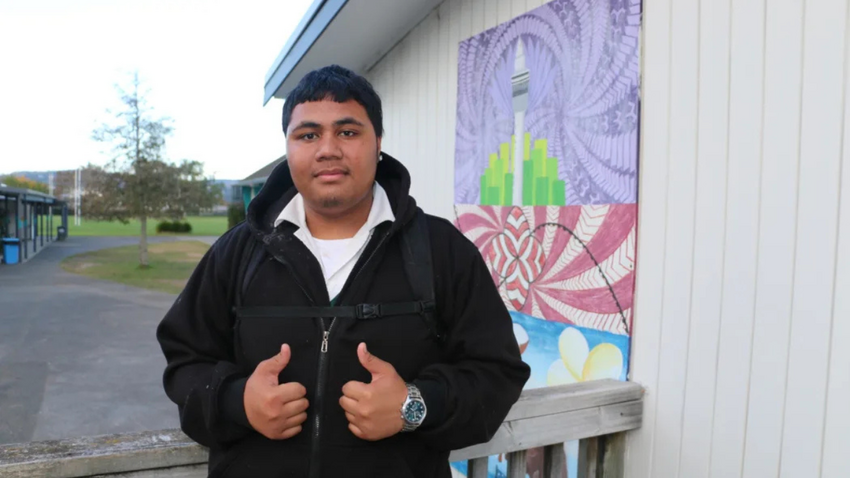
For 17-year-old Sam Saega, a Year 13 student at Papakura High School, working isn't about having extra spending money. It's about helping his family get by.
Alongside school, Sam works around 20 hours a week at Woolworths on a casual contract, taking on shifts whenever work is available.
His father works long hours as an Uber driver while also running a roadside lamb bun stall.
"The normal time he goes to work is five in the afternoon. Then comes around three-four in the morning. Then he goes straight onto his lamb bun business," Sam said.
"I'm just trying to help him out because every day he's just so tired and stressful."
With a family of 11, Sam says the rising cost of living is hitting hard.
"We have limits at home, with the water and stuff, also with the power. Because my dad is really struggling to pay off all of that."
The family is also trying to save enough money to travel back to Samoa for a family reunion later this year.
"Very exciting. Haven't been back in the islands for a long time."
Impact On Learning
A 2024 report from the Child Poverty Action Group (CPAG) found that working more than 16 to 20 hours per week can negatively impact students' learning.
The report estimated up to 15,000 teenagers may be working between 20 and 50 hours each week, while noting more data is needed to fully understand the scale of the issue.
Auckland Action Against Poverty spokesperson Agnes Magele said the consequences can be long-term.
"Our kids always have dreams of becoming something bigger and better, like becoming a lawyer, becoming a doctor," she said.
She warned that working long hours while still at school could limit future opportunities.
"They're never going to get beyond what they're going to be doing already, like working in factories."
Magele believes the issue has existed for years among low-income families but says cost-of-living pressures are making it increasingly common.
She called for greater government support for struggling families so teenagers are not forced to contribute financially.
"What they need to do as well is offer more community support for community organisations that are actually working with whānau and supporting them while they're struggling."
Educators Seeing The Impact First-Hand
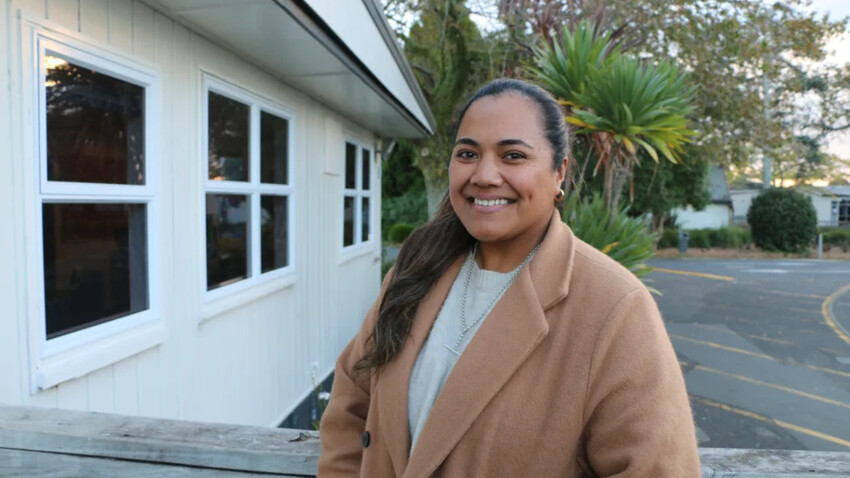
Papakura High School Pacific Liaison Lesieli Samiu estimates around 40 percent of the school's Year 12 and 13 students are currently working part-time jobs to help support their families.
"The impact of that on their education is huge. Their attendance, their focus, their energy and I guess wellbeing as well," he said.
The Ministry of Education said it does not collect data on students' working hours outside school, but said it is not seeing evidence that the issue is widespread or systemic. It also noted there are legal protections in place to ensure young people attend school and prioritise their education.
Meanwhile, Sam says some of his friends have already left school early to help their families pay the bills.
Despite the challenges, he remains focused on building a different future.
His goal is to attend university and study construction or engineering, hoping to break the cycle of low-paid work and create better opportunities for himself and his family.