
New Fa’alupega Mobile App Bridges Ancient Samoan Tradition and Modern Technology
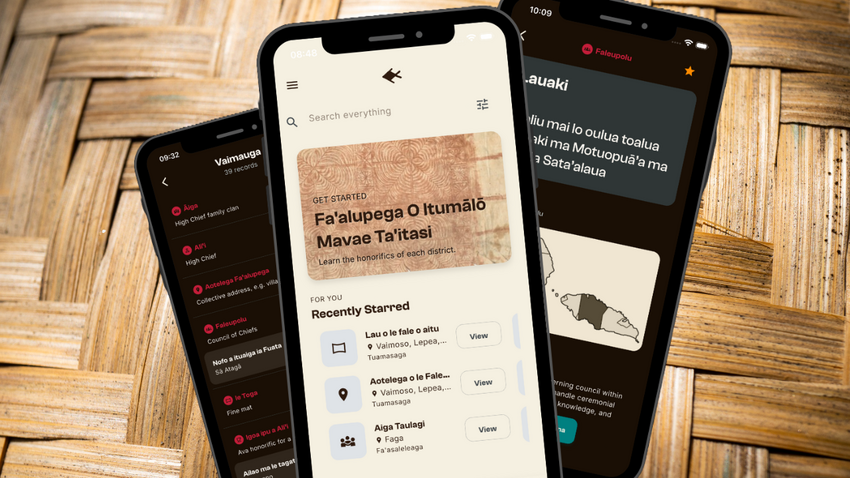
“Fa’alupega is not just words. It is the map of who we are and where we come from.”
For Julius To'o, that belief sits at the heart of the new Fa’alupega mobile app, launched in Porirua, Wellington and now available on iOS and Android.
At a time when more Sāmoans are being raised outside their ancestral villages and fluent speakers are declining globally, To’o says the decision to digitise one of Sāmoa’s most sacred cultural practices was not about convenience, but continuity.
“By placing this knowledge in a mobile format, we honour our elders and orators while empowering the next generation, whether they live in Sāmoa, New Zealand, Australia, the United States or beyond, to engage confidently with their identity. This is about protecting our culture in a digital world without compromising its meaning.”
Fa’alupega, the honorific language that acknowledges chiefly titles, village hierarchies, ancestral lands and lineages, has traditionally been passed down through service, ceremony and direct guidance from elders and tūlāfale. For some, the idea of digitising such sacred knowledge may raise concerns.
To’o says that tension was central to the development process.
“We approached digitisation with humility, treating fa’alupega as living, sacred knowledge tied to fa’a Sāmoa,” he said. “The app utilises a mix of established sources and direct manuscripts written by Sāmoan elders to reference and cross-reference, and positions itself as a supportive tool—not a replacement for oral transmission from elders and tūlāfale.”
He is clear that the platform is not designed to override cultural authority.
“We encourage users to continue to seek guidance from family and community, and view the app as a bridge for diaspora learners, ensuring tradition remains most powerful when spoken respectfully in ceremony and daily life.”
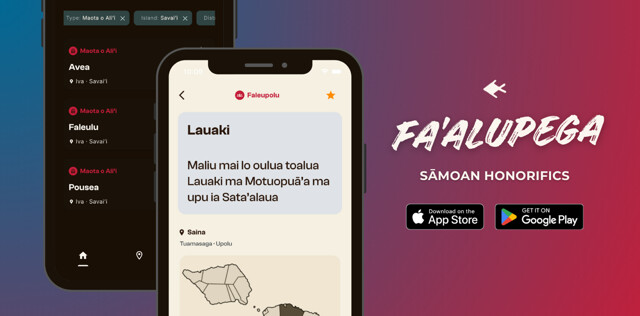
The app features a structured database of honorific titles across villages, sub villages, districts and islands, with intuitive search and filtering designed for real time cultural use. Content has been carefully curated from respected historical sources to ensure accuracy and cultural integrity. It also collects no personal data, focusing solely on delivering cultural value in a respectful and considered way.
Community response so far has been strong.
“Feedback from the community, including elders, experienced matai and novices alike, has been overwhelmingly supportive,” To’o said. Novices, especially those outside of Sāmoa, appreciate the app as a “shame-free” way to learn and reconnect, while experienced practitioners value the ability to “shortcut their learning time and tap into knowledge quickly.”
Importantly, feedback has not been passive.
“Constructive suggestions, e.g., adding newer sub-villages or expanding to include alagaupu, has shown a shared commitment to not just keeping the cultural knowledge accurate and alive but add to the richness of how we learn and understand it.”
For young Sāmoans in the diaspora, To’o believes the long term impact could be significant.
The app “lowers barriers to accessing village roots and protocols, building confidence to engage more fully in ceremonies, fono, and family settings.” It fosters pride in fa’a Sāmoa, strengthens generational ties and encourages gradually moving “from reference to active practice,” ensuring more young people can carry the tradition forward meaningfully, wherever they are.
In bridging ancient oratory traditions with contemporary technology, To’o maintains the goal has never been to replace elders, but to support them, ensuring fa’alupega continues to be spoken, respected and lived.