
Pads or gas? Pasfika families faced with hard choices
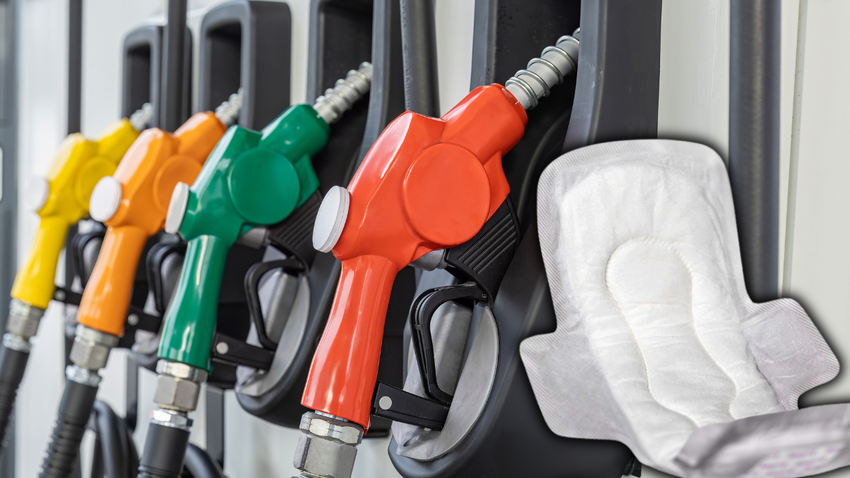
“I’ve had to use my kids’ nappies as pads last week because I was down to my last dollars… we do what we have to do.”
It’s a harsh reality, but for many Pasifika families already hit hardest by the cost-of-living crisis, rising fuel prices have only made things worse.
Seeing petrol prices climb day after day has become a quiet source of pressure for Pasifika across Aotearoa. And yes, even the South Auckland mum with the cleaning job, even the South Auckland mum who’s a lawyer, is feeling the pinch.
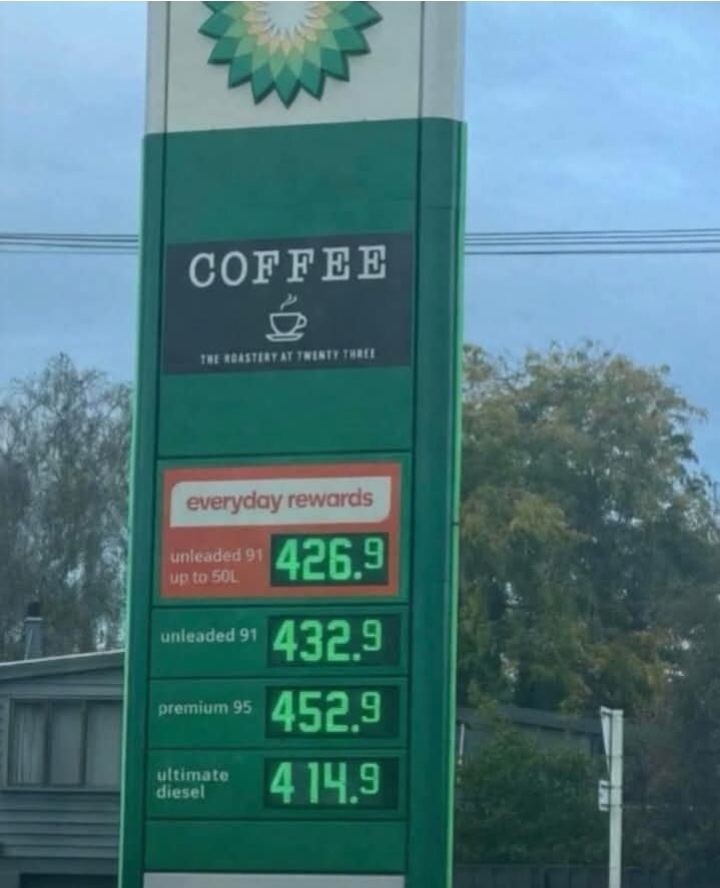
Prices have climbed as high as $3.40 per litre following the Iran conflict, landing on top of a cost-of-living crisis that was already pushing families to the edge. All New Zealanders feel it, but not evenly.
The Salvation Army’s State of the Nation 2026 report already shows Pacific communities carrying the heaviest load. Nearly three in ten Pacific children are living in material hardship. Almost half experience food insecurity. Unemployment is the highest of any ethnic group.
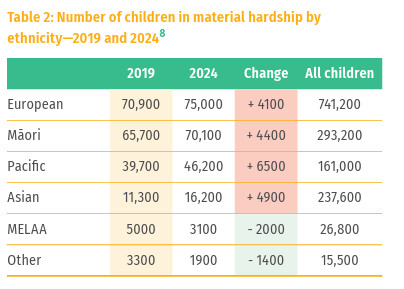
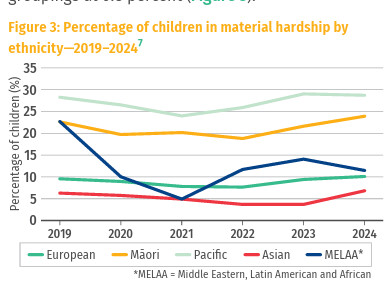
But even households that are working, earning, doing what they’re supposed to do, are starting to slip.
Samara Iuli is a mother of three with what would typically be considered a middle income, but even with a ‘good-paying’ job, the pinch is universal. “My salary would be considered ‘middle class’, but even before the fuel prices, we were barely making ends meet with a single income.”
The commute to work alone has become unsustainable, but who can afford to NOT work right now? Nobody.
“It used to cost me $20 a day just to get to and from work… now it is costing upwards of $30 a day.”
That’s not counting everything else a family car gets used for: school runs, groceries, appointments, life.
The Government’s $50 weekly fuel support, delivered through the In-Work Tax Credit, is meant to ease that pressure. In practice, it’s barely noticeable once it hits the ground.
“I am grateful for this, but it is hardly enough to make any real difference.”
Isa Faali’li, a South Auckland mother of two, says rising petrol costs are forcing choices she never expected to make.
“Our ‘additional needs’ son is currently only at school for 3 hours a day… it has made us question whether to send him or not, as gas is becoming a concerning cost.”

“We rely on our car heavily for regulation at the playground and drives to help ease the load.”
So while the government suggests that New Zealanders only use their cars for ‘essential travel’, for families with children with additional needs, ‘essential travel’ can look like hour-long drives multiple times a day to help with regulation. So again, while all New Zealanders are feeling the pinch, it’s not felt evenly, especially when Pasifika communities are starting on the back foot.
So families are not driving less; instead, they are having to go without basics.
“I’ve had to use my kids’ nappies as pads last week because I was down to my last dollars… we do what we have to do.”
That kind of trade-off sits a long way from the idea of a “squeezed middle”. It speaks to something broader, a stretch where hardship is no longer confined to one group but is still hitting some much harder than others.
Dave Letele sees that reality every day through the families his organisation supports.
“It’s an absolute disgrace… Nicola Willis needs to keep South Auckland out of her mouth. If she’s not willing to come down and support the families that are struggling… then she shouldn’t be talking about it.”
His frustration isn’t just about policy. It’s about the gap between what’s being said and what’s actually happening on the ground.
“That press conference reeked of entitlement and privilege… but we are groups like us, we’re left to sweep up the pieces.”