
Samoa Mourns the Loss of Education Pioneer Dr Gatoloaifaana Tilianamua Afamasaga
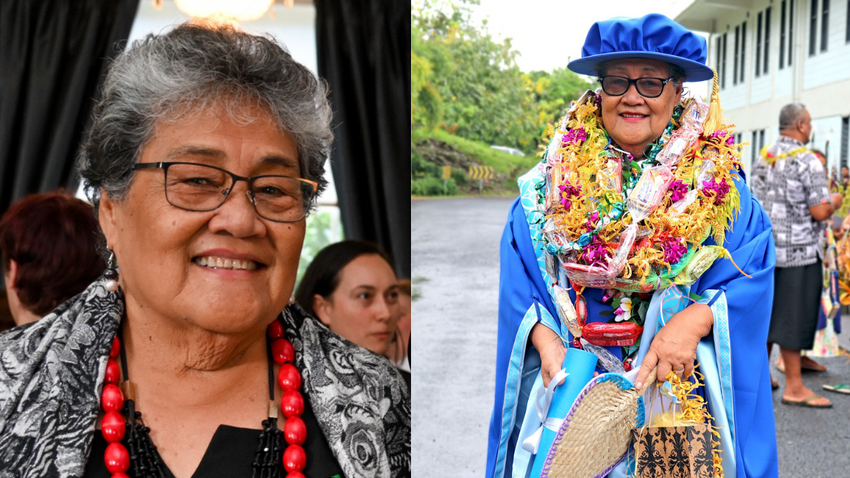
Respected educator and national leader Afioga Gatoloaifaana Tilianamua Afamasaga has passed away, with her family sharing the news publicly.
According to loved ones, she died peacefully on the morning of 23 April, surrounded by her husband Toomata Tua Afamasaga, their children, grandchildren, and close relatives. While she was widely recognised for her work, she is also being remembered as a deeply devoted wife, mother, grandmother, sister, aunt, and mentor to many.
Born on 5 May 1947, Afamasaga devoted over 50 years to strengthening education in Samoa and across the Pacific. Her studies took her from Samoa College to Hamilton Girls’ High School in New Zealand, and later to Christchurch Teachers College, where she completed her teaching diploma in 1971. She continued her academic journey at Macquarie University in Australia, earning qualifications in education including a Master’s in Teacher Education.
She began teaching at Samoa College and Vaipouli College, before moving into influential leadership roles that helped shape Samoa’s education system. She played a central role in advancing teacher training, including her leadership at the Secondary Teachers’ College and its transition into what is now the National University of Samoa.
In 1997, she became the founding Dean of Education at the National University of Samoa, a position she held until 2005, helping to build and expand programmes that continue to impact future generations of teachers.
She later led the Oloamanu Centre for Professional Development and Continuing Education from 2006 to 2012, overseeing major training initiatives across Samoa, including programmes that supported workforce development in government, private, and community sectors.
Her influence extended regionally and internationally through her leadership in organisations such as the Samoa National Teachers Association, where she served as President for many years, and the Pacific Association of Teacher Educators, where she also held senior roles. She was also involved with the Commonwealth Association for Public Administration and Management, the Samoa Institute of Directors, and the Samoa Teachers’ Council.
Afamasaga also contributed to national governance as a Commissioner with the Public Service Commission, and was part of key regional education movements, including helping to shape Pacific-centred thinking through the Rethinking Education in the Pacific for Pacific People initiative.
Outside of education, she was a strong advocate for women’s leadership, workers’ rights, and ending child labour, including her work with the Samoa Workers Congress.
She leaves behind a powerful legacy, remembered as a pioneer whose work continues to shape education and leadership across Samoa and the Pacific.