
US Pulls Climate Funding, China Steps Forward in the Pacific
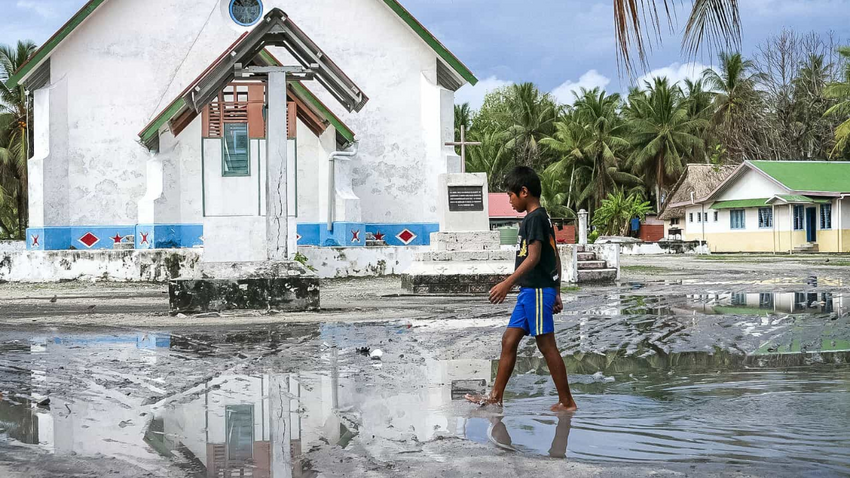
As the United States steps back from climate funding in the Pacific, China has stepped neatly into the frame.
Within days of Washington confirming it would withdraw support for the South Pacific Regional Environment Programme, Beijing handed over USD $200,000 to the Samoa-based agency, a move that was equal parts timely and telling.
The funding itself was not new. It had been promised at the Pacific Islands Forum Leaders Meeting in Tonga two years earlier. But the timing of the handover, landing less than a week after the US announcement, allowed China to control the moment and the message.
“This again demonstrates our sincerity and determination to help Pacific Island countries cope with climate change and achieve sustainable development,” said China’s envoy to Samoa, Fei Mingxing.
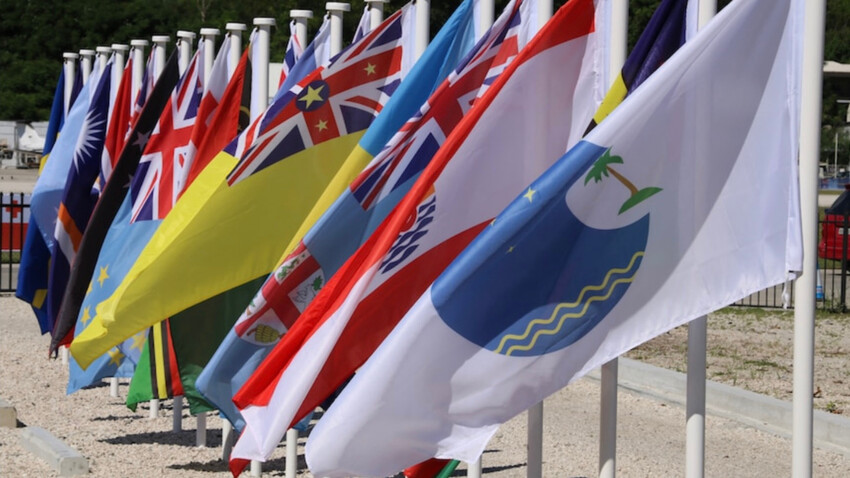
Until its withdrawal, the United States accounted for around 15 percent of SPREP’s funding. That position is now reportedly held by China, which has also signalled it has set aside a further USD $362,000 should the region need it.
Australia and New Zealand, long positioned as the Pacific’s closest partners, have so far remained publicly silent.
The funding shift follows confirmation from President Donald Trump that the United States will withdraw support for SPREP as part of a broader rollback of financial commitments to organisations working on climate change and environmental policy.
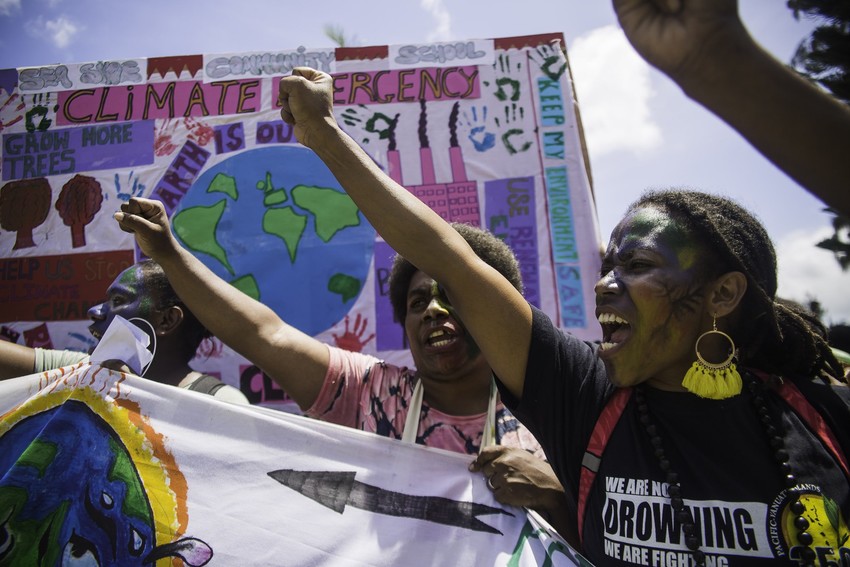
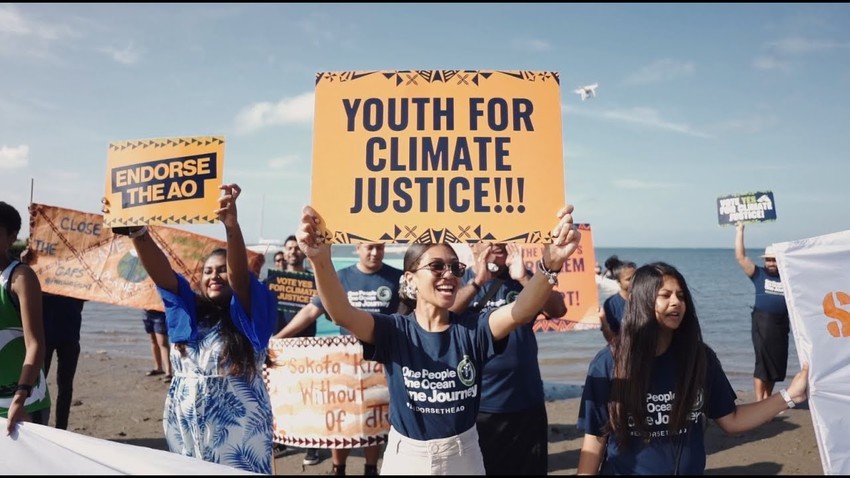
Headquartered in Samoa, SPREP coordinates regional environmental policy and supports Pacific Island governments on climate adaptation, biodiversity protection, waste management, pollution reduction and disaster response planning. The organisation employs more than 150 staff across Fiji, Solomon Islands, Vanuatu and the Republic of the Marshall Islands.
The US decision extends beyond SPREP, affecting a range of institutions that work directly with Pacific nations on climate policy, development planning, oceans governance and disaster resilience.
These include the UN Economic and Social Commission for Asia and the Pacific, the UN Framework Convention on Climate Change, UN Conference on Trade and Development, and UN Oceans.
US officials said the withdrawals would be implemented “to the extent permitted by law,” with further reviews ongoing. The administration said the decision reflects domestic policy priorities rather than multilateral consensus.
For Pacific nations already navigating rising seas, extreme weather and economic pressure, the shift is less about ideology and more about who shows up when it matters.
China has done this before. When traditional allies distanced themselves from Fiji following the 2006 coup, Beijing quietly moved in and built lasting influence. This latest move follows a familiar pattern. Step back, step in, secure the foothold.
Whether the US comes to regret the decision remains to be seen. For now, the Pacific has noted who left the table and who pulled up a chair.