
What does automatic US draft registration mean for the Pacific?
Automatic draft registration expands in the US, but Pacific impact remains unclear
A new United States policy will automatically register eligible men for the Selective Service system from December, marking a major update to how the US prepares for a potential military draft.
While the policy does not reinstate conscription, it expands automatic registration into a nationwide system for the first time. Any actual draft would still require approval from Congress.
What is confirmed
Under the new measure, all male US citizens and “every other male person” living in the United States between the ages of 18 and 26 will be automatically registered for Selective Service.
This includes green card holders, refugees, asylum seekers and undocumented men. Men on non immigrant visas are exempt.
Men who fail to register can face penalties including loss of federal benefits, fines and potential imprisonment under US law.
The Selective Service system has not been used for an active draft since 1973, during the Vietnam War. If a draft were ever authorised again, it would involve a lottery system based on birth dates, followed by medical and eligibility assessments before any induction into service.
What is unclear for the Pacific
The impact of this change on Pacific communities, particularly US territories and US nationals, is less clearly defined in publicly available reporting.
In US territories such as Guam and the Northern Mariana Islands, Selective Service registration has historically applied in line with US federal law. However, how automatic registration will be implemented on the ground under the new nationwide system has not been separately detailed in the policy announcement.
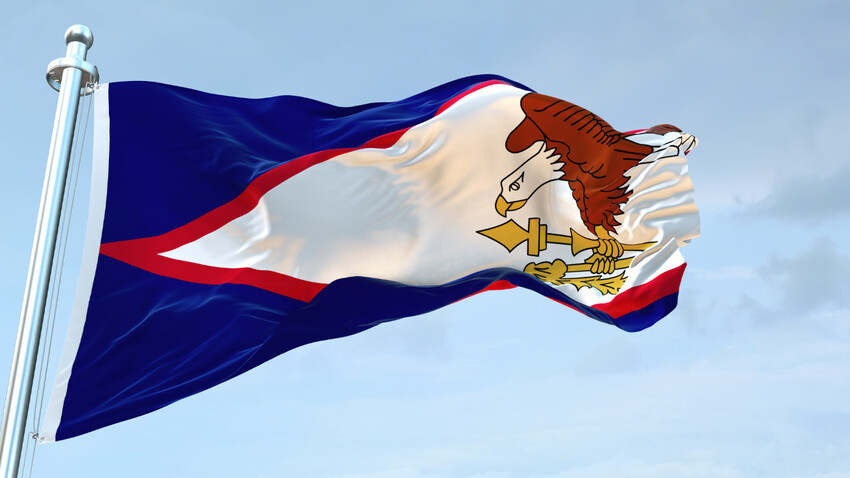
American Samoa presents a more complex legal situation.
People born in American Samoa are generally classified as US nationals, not US citizens, unless they go through naturalisation. This distinction affects certain federal rights and obligations, including how policies like Selective Service registration are applied.
While American Samoan men living in the United States are typically required to register for Selective Service, it is not clearly spelled out in the reporting whether automatic registration will be uniformly applied to those residing in American Samoa itself under the new system.
This leaves a gap in clarity about how the policy will operate for US nationals from American Samoa who move between the territory and the mainland, and whether automatic enrolment will be consistently enforced across both jurisdictions.
Would American Samoans be drafted
Even under automatic registration, no draft is currently active.
A future draft would still require Congressional approval, followed by a lottery system to determine who is called up. Only those selected and deemed fit after evaluation would be inducted.
If a draft were reinstated, individuals already registered, including eligible Pacific Islanders depending on their legal status and residency, could be included in the draft pool. However, exact application to American Samoans would depend on how federal law is interpreted at the time.
Why this matters for the Pacific
Pacific communities already have a long and deeply rooted connection to the US military, particularly in US affiliated territories.
American Samoa has the highest per capita enlistment rates in the US military, with service often seen as a pathway to employment, education and financial stability for families.
At the same time, American Samoans are US nationals but not US citizens, meaning they cannot vote in US presidential elections unless they naturalise. This creates a long standing tension where people can serve in the US armed forces at high rates, but do not hold full political rights in the system they serve.
That contrast makes any change to Selective Service policy more significant for the region. While automatic registration does not reinstate a draft, it expands the existing system that Pacific Islanders are already heavily represented in.
For communities like American Samoa, the shift raises broader questions about representation, obligation and how future conflicts could again draw disproportionately from small populations without equal political voice.