
Who in housing has “won the lotto”? Government housing changes expected to hit Pacific communities hardest
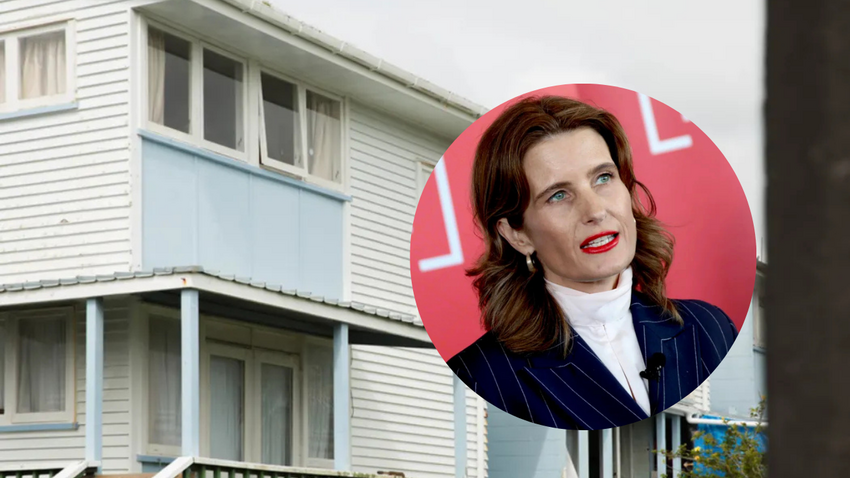
“The only thing that is saving us is the alofa of our big family but many of them are also in social housing and struggling hard. Where is this imaginary place we are supposed to live now with rents going up?” - Ataliisi Johnson on Housing Reform“People aren’t in social housing because they’ve chosen an easy ride. They’re there because rents are unaffordable, wages haven’t kept up, and this Government has made the housing crisis worse.” — Kieran McAnulty
The Government’s multi-year reform of social housing will lift the income-related rent contribution from 25 percent to 30 percent, alongside tighter eligibility settings, tenancy reviews, and changes to how housing need is assessed.
Ministers say the reforms are intended to make the system fairer, better targeted, and encourage movement into the private rental market.
But the major overhaul has sparked concern among advocates who say Pacific families, already under significant financial pressure, will be among those hardest hit.
Pacific communities already carrying the weight
Advocates say the housing system is already failing to meet demand, particularly for Pacific households who remain overrepresented in poverty and hardship statistics.
Christchurch Methodist Mission’s Jill Hawkey said private rentals are increasingly out of reach for low-income families.
“Those in the private market really are struggling at the moment.”
For many Pacific families, housing pressure is compounded by larger households, intergenerational living, and cultural obligations to support extended aiga and whānau.
Pacific advocate Tai Thomsen said comments from Finance Minister Nicola Willis that some social housing tenants had “won the lotto” showed how disconnected politicians were from the realities many families face.
“The sheer audacity to proclaim those of us in social housing should be ‘grateful for our palatial surroundings’, while her and her business round table government savagely ensure that even being in this ‘millionaires club’ we still struggle everyday with the cost of living, wellbeing and a decent quality of life,” Thomsen said.
“Shameless.”
Aliitasi Johnson, who lives in social housing, said many Pacific families are surviving only through collective support systems.
“The only thing that is saving us is the alofa of our big family but many of them are also in social housing and struggling hard. Where is this imaginary place we are supposed to live now with rents going up?”
Nearly a fifth of Pasifika children have lived in poverty in the past year, according to Statistics New Zealand, with more than 32,000 children affected.
Around a third are experiencing material hardship — a figure that has continued to rise in recent years. Overall child poverty in Aotearoa sits at 12.6 percent, around six percentage points lower than the Pasifika rate.
Income inequality also remains deeply entrenched. Pasifika men earn around $0.81 for every $1 earned by a Pākehā man, while Pasifika women earn approximately $0.75.
Advocates say those realities make it difficult to understand how Pacific families are expected to absorb even higher housing costs.
Government says system is “not working”
Housing Minister Chris Bishop says the current housing system is inefficient and unfair, arguing similar households receive different levels of support depending on whether they are in social housing or private rentals.
He says the reforms are designed to better target social housing toward people with the highest needs, including those facing disability, addiction, mental health challenges, or family violence.
Bishop also argues some tenants could transition into private rentals with additional support, freeing up homes for those currently on waiting lists.
But that position has been strongly challenged by opposition parties and housing advocates.
Labour housing spokesperson Kieran McAnulty said the Government was trying to frame cuts as “independence”.

“You do not help families into independence by making them poorer,” McAnulty said.
“People aren’t in social housing because they’ve chosen an easy ride. They’re there because rents are unaffordable, wages haven’t kept up, and this Government has made the housing crisis worse.”
The Green Party of Aotearoa New Zealand also warned the reforms would disproportionately affect vulnerable households.
Green Party housing spokesperson Tamatha Paul said: “Increasing rents by 20% on top of unaffordable food costs, power bills and medical bills is simply cruel.”
Green Party social development spokesperson Ricardo Menéndez March added: “Temporary Additional Support is a lifeline for people who cannot make ends meet otherwise. To restrict this support is to prevent people from meeting ongoing, essential living costs.”
Willis later said she regretted using the phrase “won the lotto”, acknowledging it was the “wrong metaphor” for people already living in difficult circumstances.
But for many Pacific families, the damage had already been done.
Advocates say the phrase exposed a wider disconnect between political rhetoric and the lived realities of families struggling to survive rising rents, food prices, and the growing cost of living.
For communities already carrying the country’s highest poverty rates, many say the reforms do not feel like a pathway to independence — but another financial burden placed on those already stretched the furthest.