
Why are Pacific Islanders moving to Australia in droves? Inside the second migration
The good, the bad, and the ugly, but mostly the good
“It’s the difference between surviving and actually enjoying life.”
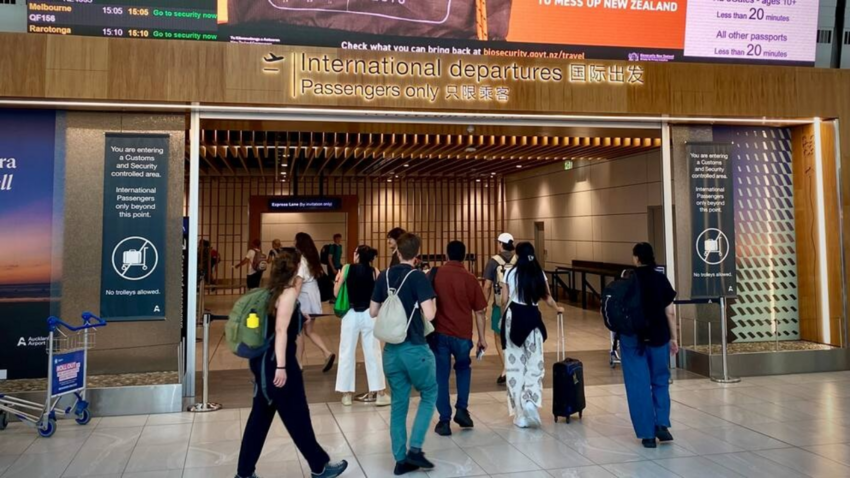
As the cost of living keeps rising and jobs get harder to find, more and more New Zealanders have packed up their lives and moved to Australia. And with the country still waiting to find out who will form its next government after the 7 November election, many families on this side of the ditch and back home may still be weighing up whether their future lies across the Tasman.
For Pacific families, the move echoes one our parents and grandparents made decades ago, when they left the islands for New Zealand. Now a new generation is crossing the water again. We asked Pasifika living in Brisbane, the Gold Coast, Sydney and Melbourne about the good, the bad and what they miss about home.
‘My only regret is we didn’t make it sooner’
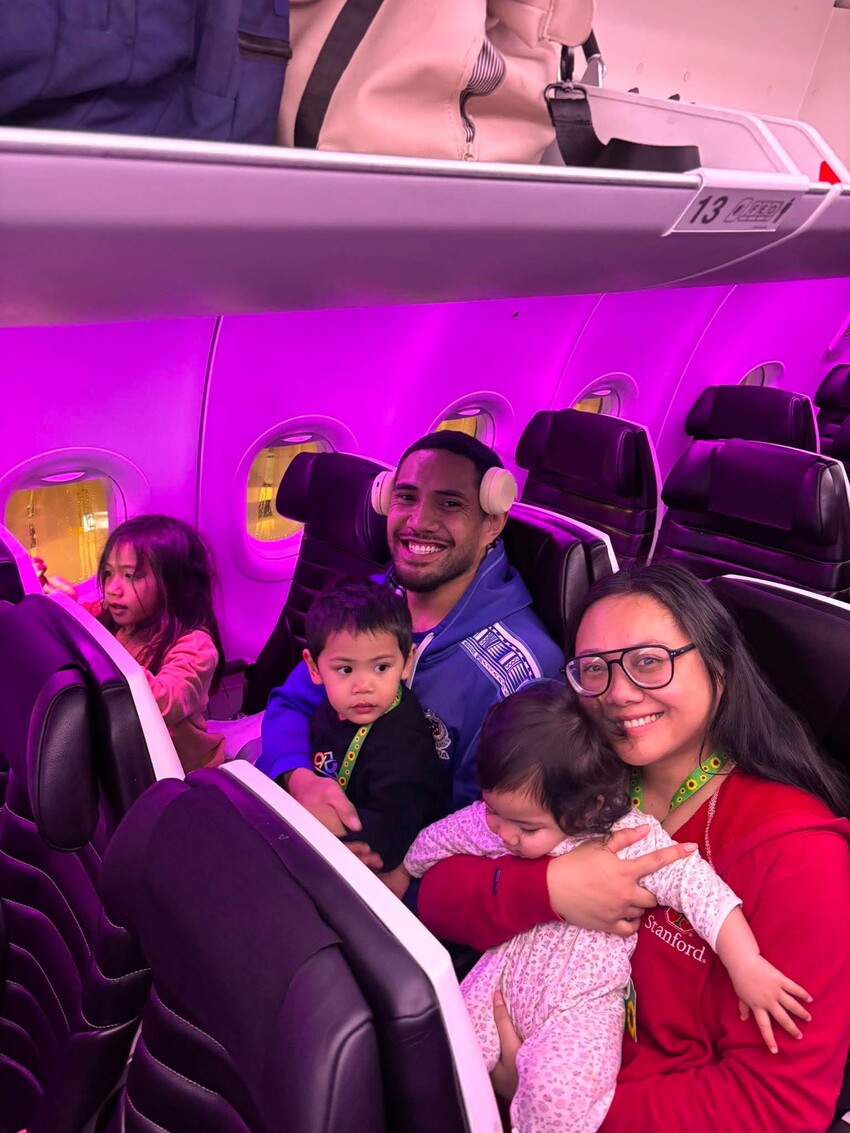
Destiny moved her family from Auckland to Brisbane earlier this year to get her son the educational and welfare support he needed. She and her partner David, both 30, also wanted more financial breathing room and more opportunities for their three children.
Their eldest son is autistic. After a difficult experience at a mainstream primary school in New Zealand and a cut in resources, he was put on a waitlist for a special school. Six months after his diagnosis, the family was still waiting for a needs assessment for carer support and respite, and receiving around $60 a week in support.
In Australia, he was accepted into a special school before they had even left the country. The family can also get support through the National Disability Insurance Scheme, or NDIS, which funds disability-related support for eligible people. New Zealand has no equivalent nationwide scheme.
“We just felt like we were constantly waiting. Waiting for a school place, waiting for an assessment, waiting for someone to tell us what support we could actually get.”
Their story comes as Pacific families continue to face significant economic pressure in New Zealand. Pacific unemployment reached 11.6 per cent in the June 2026 quarter, according to Statistics NZ figures reported by RNZ, more than double the national rate of 5.6 per cent.
Like many families, Destiny and David had to choose between getting ahead financially and having a parent at home with the kids. They chose to live off one income so one of them could always be home, and in New Zealand that meant just scraping by, with no money left for extracurricular activities or therapy for their eldest.
“We were getting by, but there was no room to dream.”
They are far from alone. Australia remains the most popular destination for New Zealanders heading overseas, and in the year to December 2025, New Zealand recorded a net migration loss of 28,500 people to Australia.
Starting again has had its challenges. Destiny misses her family, and she’s still getting used to the food, especially the meat and dairy. But she says the positives have far outweighed the negatives.
“My only regret is that we didn’t make it sooner.”
‘The cousins are more like siblings now’
Samoan tatau artist Su’a Tyla Vaeau moved from Auckland to the Gold Coast with her two children at the beginning of 2025, to be closer to family. Her sister had already lived in Australia for 15 years, and her parents moved over around a decade ago.
Now Tyla lives a short walk from her sister, her nieces and nephews, and her kids see their grandparents regularly. As a self-employed solo mother, having extra hands nearby has made a huge difference. The bills feel easier to pay too, which means she can spend more time with her children instead of working long hours just to make ends meet.
“We are quickly making up for years of living in separate countries and the cousins are more like siblings in closeness now.”
Her children have also found opportunities in sport and creative programmes at school that they may not have had in Auckland. What they’ve lost is the everyday Pasifika culture of South Auckland. No one at school besides his cousins can pronounce her son’s name properly, and Tyla says it feels like stepping back in time.
‘Aussies think they have it really bad’
Hope Papali’i works in film and television and moved to Sydney because consistent work in her industry had become hard to find in New Zealand.
The biggest surprise for her has been the price of groceries.
“Aussies think they have it really bad, but in comparison to NZ they really don’t,” she laughs. “If you go to the shop to get ‘a few things’ in NZ, you are easily spending $100. In Aus I find it’s half of that.”
Rent is another story. In her part of Sydney, a three-bedroom house in Marrickville costs upwards of $1000 a week, and in Bondi it’s $1500 to $2000. The hardest part, though, is watching her sister’s two young kids grow up from a three-hour flight away.
‘If I won Lotto, I would move us all back’
Ani and her husband moved to Melbourne in 2021, five years after her stepson’s family, when a job came up to relocate through her work. Before Covid, her stepson’s family rented a brand-new three-bedroom, two-bathroom house for $400 a week. Ani says cheaper housing and good jobs are why so many young families make the move.
Pasifika community has been harder to find. Melbourne is so spread out that seeing friends can mean a two-hour drive, and when she went looking for Pacific dance classes for her grandkids, there were either none or they were too far away.
Ani says the move has been worth it for now, but she’ll always want to retire back home.
“Put it this way, if I won Lotto I would move us all back to NZ.”
The second migration
For Tyla, the movement of Pacific families to Australia feels familiar.
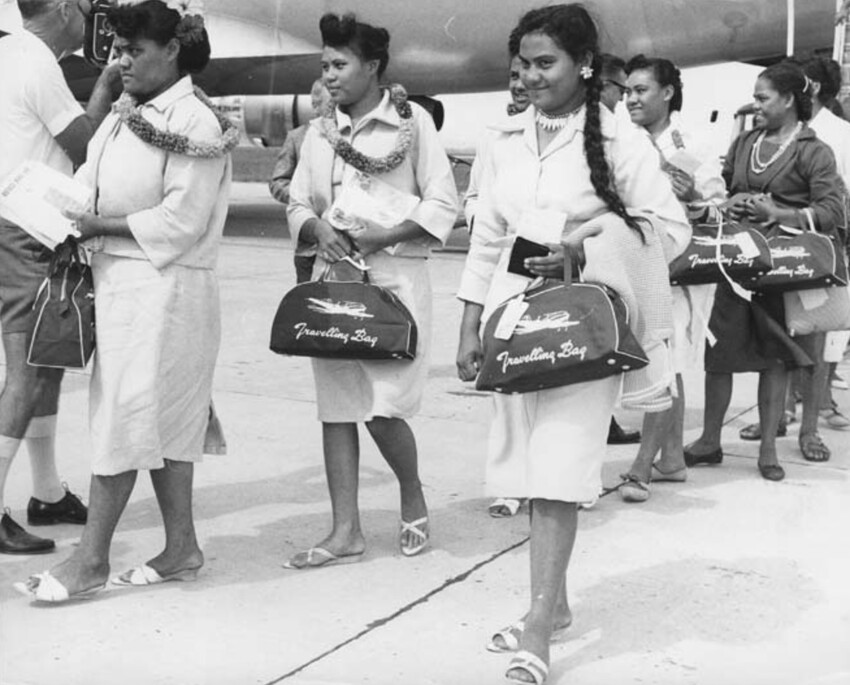
“I think just as our families left the islands in large numbers in the 50s and 60s to live in New Zealand, the same wave of migration is repeating again to seek new opportunities and ways to provide for our families.”
Family is what makes the move possible. Like Tyla, many Pacific people already have relatives on the other side. Hope has watched it happen in her own family: her cousins’ children moved over for work, had kids of their own, and now the older generation is following them. Ani’s family went the same way, with the grandkids first and then the grandparents.
“Family will always come first,” Hope says.
The migration numbers show just how significant the movement across the Tasman has become, but behind those figures are families making deeply personal decisions about what they want their future to look like.
The move at a glance
The good
- Lower everyday costs, especially groceries
- More work opportunities and better pay
- Cheaper housing outside the big-city hotspots
- Disability support through the NDIS, and quicker access to special schools
- Family already there to lean on
- More sports and creative opportunities for kids
The bad
- Being far from family, friends and the wider aiga back home
- Less everyday Pasifika culture: fewer festivals, language classes and dance groups
- Sky-high rent in popular city suburbs like Sydney’s Marrickville and Bondi
- No one can pronounce your kids’ names
The ugly
- The food: fale’aiga, seafood, takeaways, meat and dairy just aren’t the same
- Snakes
- No Wendy’s