
Tonga Added to US Travel Restrictions List, Impacting Pacific Families and Students
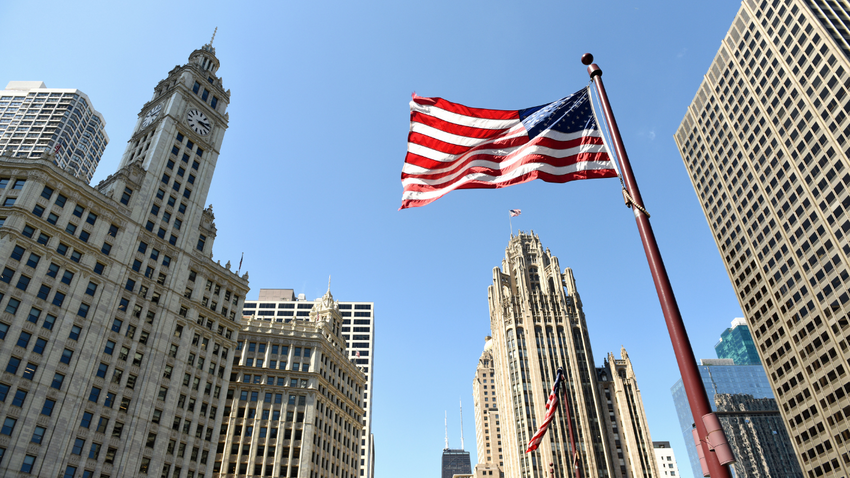
New United States travel restrictions have now expanded beyond Fiji, with Tonga officially placed on a list of countries facing full and partial visa suspensions.
Under measures that came into effect on January 1, the US has stopped issuing visas to Tongan nationals for short-term visits, tourism and business, with the State Department also suspending processing of some immigrant visas.
Tongan citizen and former Hawaii student Lionel Funaki told ABC Pacific the policy felt like “collective punishment,” saying, “I was looking forward to continuing my educational journey, but unfortunately, that now looms in limbo.” The White House cited visa overstay rates and concerns about civil documentation, with Homeland Security Secretary Kristi Noem stating, “We love to have visitors - but they have to come here legally.” The move has caused growing frustration across Tonga and its US-based diaspora, where families fear the restrictions will further limit education, travel, and reunification opportunities.
“To add more restrictions will be heartbreaking if my kids only living grandparents are unable to attend important milestones in their lives due to new criteria,” said Epenesa Pakola, a Samoan mother living in California with parents in Aotearoa.
For Diasporians in NZ who regularly visit their islander families in the United States, that fear may soon become reality.
The US is planning to change the rules for people from visa-waiver countries, including Aotearoa. That is the ESTA form most travellers fill out before hopping on a flight. Under a new proposal, travellers could be asked to hand over far more personal information than ever before.
“That’s crazy. It’s extremely disappointing and unnecessary,” Epenesa said.
Under the proposal, travellers may be required to provide five years of social media history, phone numbers used over the last five years, email addresses from the past ten years, detailed information about family members, and even biometric data such as facial images and fingerprints. This information would not be optional. It would be mandatory.
The list published by US immigration includes:
- Phone numbers used in the last five years
- Email addresses used in the last ten years
- IP addresses and metadata from electronically submitted photos
- Family members’ names (parents, children, spouse and sibling)
- Family members’ dates of birth, places of birth and their residencies
- Family phone numbers used in the last five years
- Biometric information (face, fingerprint, DNA and iris)
- Business phone numbers used in the last five years
- Business email addresses used in the last ten years
Source: US Federal Register
Why does this matter for Pacific people?
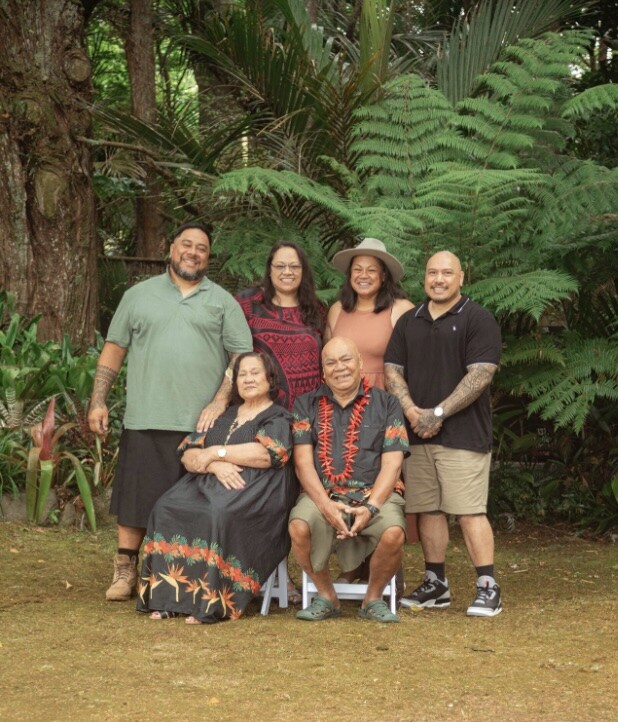
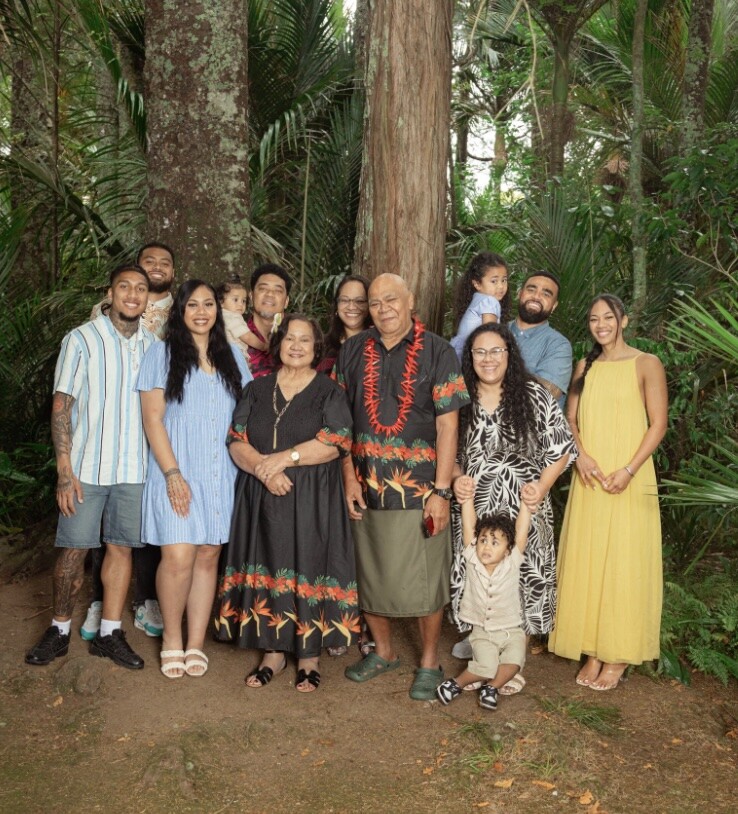
Because around 1.6 million Pacific peoples live in the United States, and many of them are our family. Samoan, Tongan, Hawaiian, Chamorro, Niuean, Tokelauan. Our migratory Pasifika aiga do not live in one place. We move constantly between Aotearoa and our aiga across the world for weddings, funerals, church conferences, graduations, and simply to stay connected.
“With my parents and siblings living overseas, it is already an expensive trip for them to visit us and attend rites of passages for my kids such as their graduations, birthdays and weddings!” Epenesa said.
Under the proposed rules, what a person has posted online could now form part of whether they are allowed entry. Border officials have said they are looking for anything they decide shows “hostile attitudes” towards America. The wording is vague and could include political opinions, protest content, or posts shared years ago without much thought.
Deleting posts before travelling may not help either. Border agents already have the power to search phones or laptops, and experts say older data can still be stored or accessed elsewhere.
So what could change?
Some people may think twice before travelling. Elders may feel anxious about being questioned. Young people who have grown up online may worry about what they shared years ago. Families who regularly travel back and forth between New Zealand and the United States could face more stress, more scrutiny, and more uncertainty.
So far, the New Zealand Government has not pushed back strongly, with officials saying the US can set its own rules. But for Pacific families, this is not just policy discussion. It is about access to our people, our connections, and our ability to move across borders the way we always have.
The proposal is still open for public feedback. But if it goes through, it could quietly change how Pacific families in Aotearoa and the United States stay connected.
And that is why people are paying attention now.