
Hawaii expands film tax credits to keep productions at home
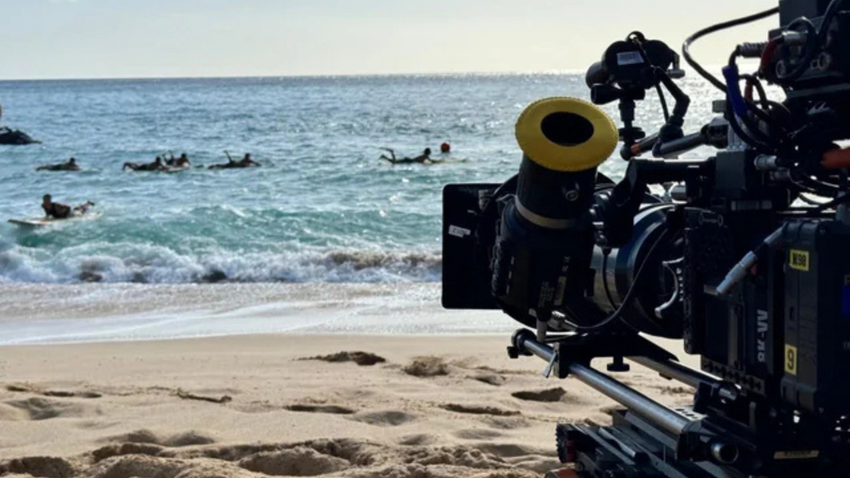
"We have a lot of talent in Hawaii and a lot of skilled local labor and a lot of stories to share. What we've needed is the opportunity to tell those stories here at home. Working on Chief of War reminded me what's possible when we invest into our own people and we trust our local voices to lead." - Jason Momoa
Hawaii's screen industry has received a major boost after Governor Josh Green signed legislation expanding the state's film tax credit, a move industry leaders say will help attract more productions, create jobs, and ensure Hawaiian stories are told on home soil.
The new law increases Hawaii's annual film tax credit cap to US$60 million, following years of concern that major productions were choosing to film elsewhere due to stronger incentives and lower production costs.
"It expands the tax credits to a more meaningful number, $60 million, and we want to keep going up because doing that means that there's opportunities to bring more films, more attention, more investment into our state," Green said.
The legislation also introduces an additional 5% tax credit bonus for productions that hire at least 80% local workers, encouraging studios to invest directly in Hawaii's workforce.
In simple terms, a film tax credit is a financial incentive offered by the government to encourage productions to film in a particular place. When a movie or television series spends money in Hawaii, the production can receive a credit that helps reduce some of its costs.
By increasing the amount available through the tax credit, Hawaii becomes more competitive with other filming destinations that offer similar incentives. This can be the deciding factor for studios when choosing where to spend millions of dollars on a production.
Local actor Moses Goods said telling Hawaiian stories where they belong is essential.
"We're telling these stories of our ancestors, our kupuna. It needs to be done here in our aina and so that's the change that we know can happen now."
State Senator Lynn DeCoite highlighted the wide-reaching economic impact of film productions across the islands.
"Every production supports our camera crews, electricians, our carpenters, our drivers, our caterers, our musicians, artists, hotels, restaurants, retailers, transportation companies, and countless small businesses across our islands."
Industry workers welcomed the changes, saying the expanded incentives could help keep creative professionals employed in Hawaii rather than forcing them to relocate or leave the industry. It is a well-known fact that many productions have dreamed of filming in Hawaii, but the cost to do so has put many off.
Actress and SAG-AFTRA APAM member Shereen Balles celebrated the announcement.
"It means that we're gonna go back to work, baby. I'm just so excited!"
She added that many of her friends, including actors and crew members, had been forced to move away or find work in other industries because of the lack of local productions.
The expanded film tax credit program will remain in place until 2038, giving the industry long-term certainty as Hawaii works to rebuild its reputation as a competitive filming destination.
The benefits then flow beyond the production itself. A film crew needs local camera operators, electricians, builders, drivers, caterers, hotels, restaurants, and many other services. More productions filming in Hawaii means more jobs, more investment into local businesses, and more opportunities for Hawaii's own creatives to build careers and tell their stories at home.