
Jason Momoa, Taika Waititi and Cliff Curtis are backing Polynesian storytelling
“It’s an Indigenous-owned studio and the focus for us is bringing that work and uplifting - well, actually not just our people but people in the industry”
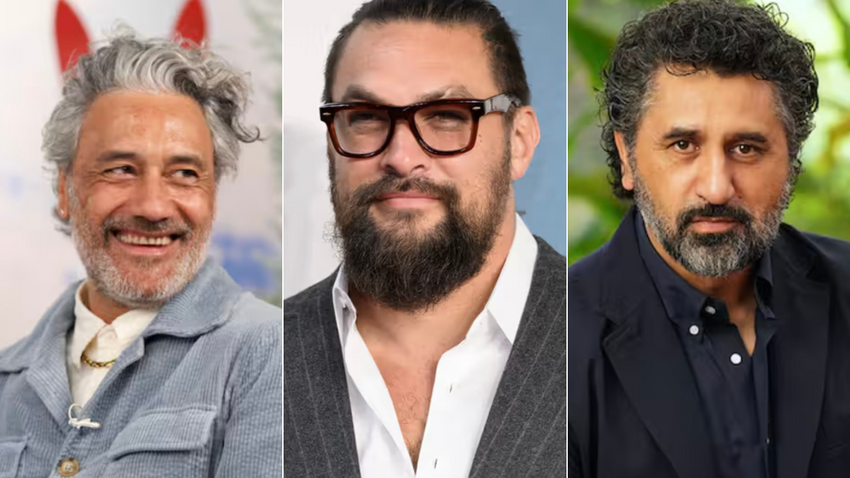
Jason Momoa, Taika Waititi and Cliff Curtis have acquired Studio West in West Auckland through their Āriki Group, positioning themselves not just as creatives, but as the ones putting resource behind the kinds of stories Māori and Pacific communities have already proven work.
Across the last two decades, some of Aotearoa’s most successful and widely recognised films have come out of that space. Whale Rider reached global audiences with a story grounded in whakapapa. Sione's Wedding showed Pacific stories could carry at the box office here. Boy and Hunt for the Wilderpeople followed, each reinforcing that local stories, told from here, don’t need to be adjusted to connect.
More recently, Tinā and Chief of War have continued that trajectory, showing the same stories can scale internationally without losing their grounding.
What has been less consistent is who is in a position to back those stories at the level where decisions are made and the acquisition of Studio West is a move into that space.
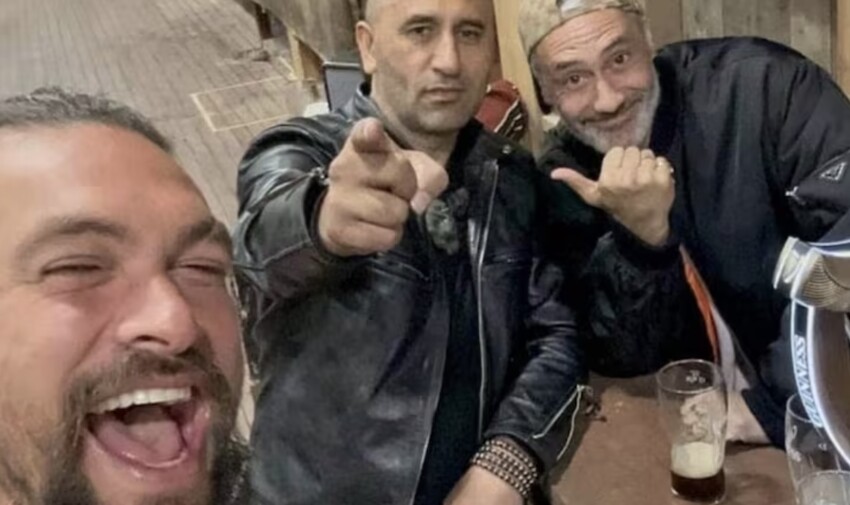
Waititi described it as a way of keeping work in Aotearoa at a time when the industry has slowed.
“It’s an Indigenous-owned studio and the focus for us is bringing that work and uplifting - well, actually not just our people but people in the industry, because like the industry's been under some pressure and it's been suffering a little bit,” he said.
“I think that if we can keep that stuff happening and keep more things coming in then that’s the dream - for all of us to be working.”
Curtis framed the shift more directly in terms of control.
“At its core, this is about ownership, creative control, and building a strong economic base - creating a platform where our communities can lead, shape, and share their stories with the world."
Owning a studio does not guarantee what gets made, but it does change where projects can begin and who is making the initial calls. It creates the conditions for stories to be developed, produced and retained locally, rather than relying entirely on offshore systems.
Momoa’s focus sits on what that structure can support over time.
“What excites me the most is the opportunity to build something lasting that supports local crews, nurtures talent, and creates pathways for the next generation of storytellers.”
“New Zealand has become a place that feels like home to me: creatively, culturally, and spiritually. There’s a deep respect for story, for land, for community and that’s something I am drawn to.”
Studio West has already been part of large-scale productions, including Chief of War. Under Āriki Group, it is expected to expand its role as a base for both local and international projects, with an emphasis on bringing more work into Aotearoa.