
Justin Haiu brings Pacific movement and storytelling to We The Young with Motuhake
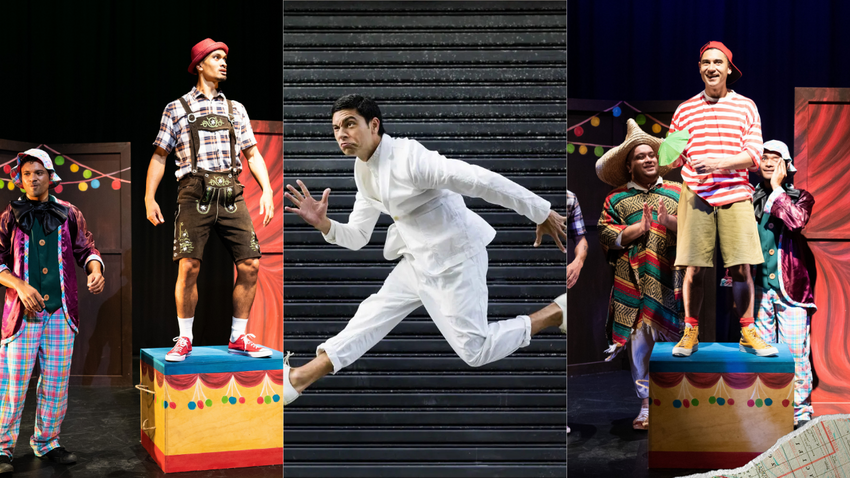
“I hope they feel at home with us. I hope they can relax, have a good laugh, be moved and encouraged—and also feel like this is something they could do too, if they wanted to.”
That is the hope behind Motuhake, an uplifting new work created and performed by Pacific artist Justin Haiu, also known as Jandel J.
The show is heading to Auckland Live’s We The Young festival, which returns for its second year from 25 September to 11 October, bringing a programme of shows and free activities for tamariki and whānau across venues including the Aotea Centre, Auckland Town Hall and Aotea Square.
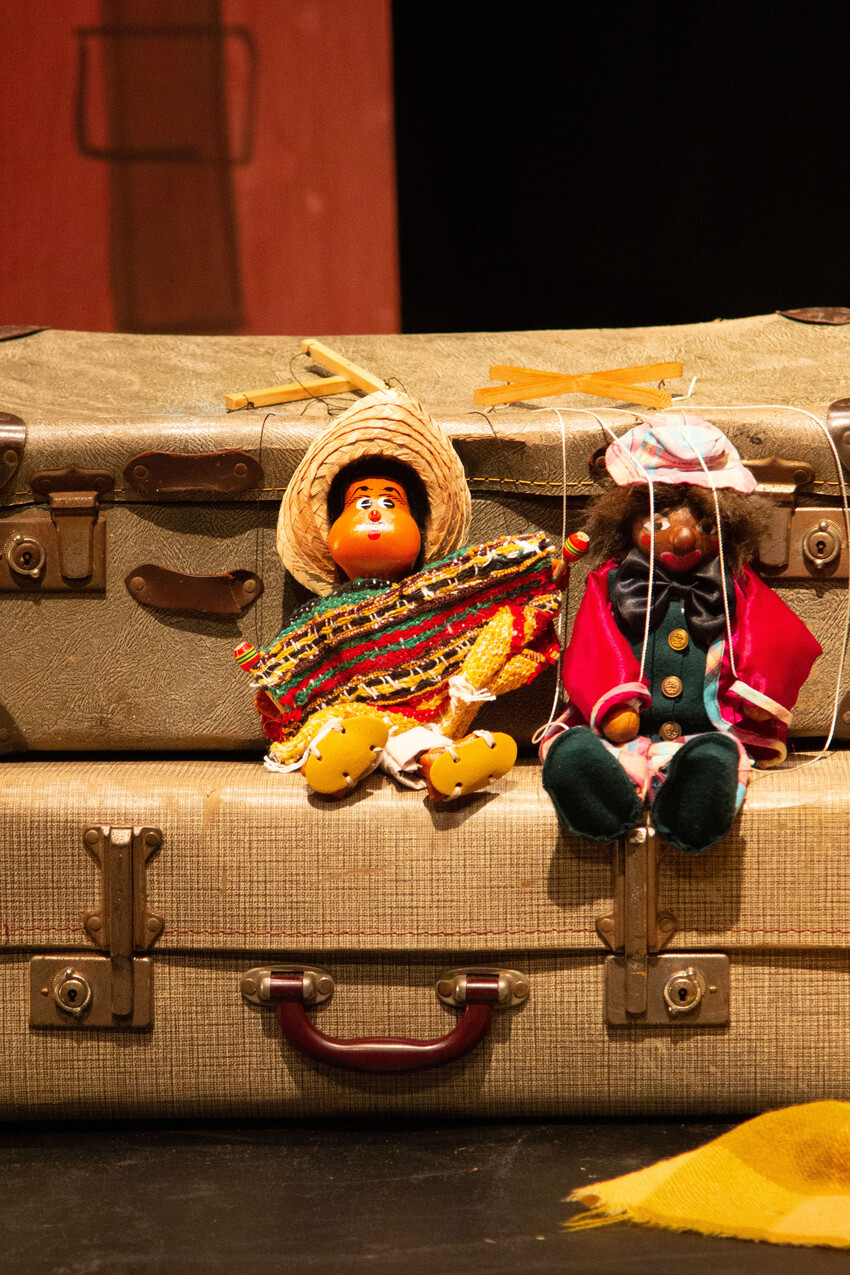
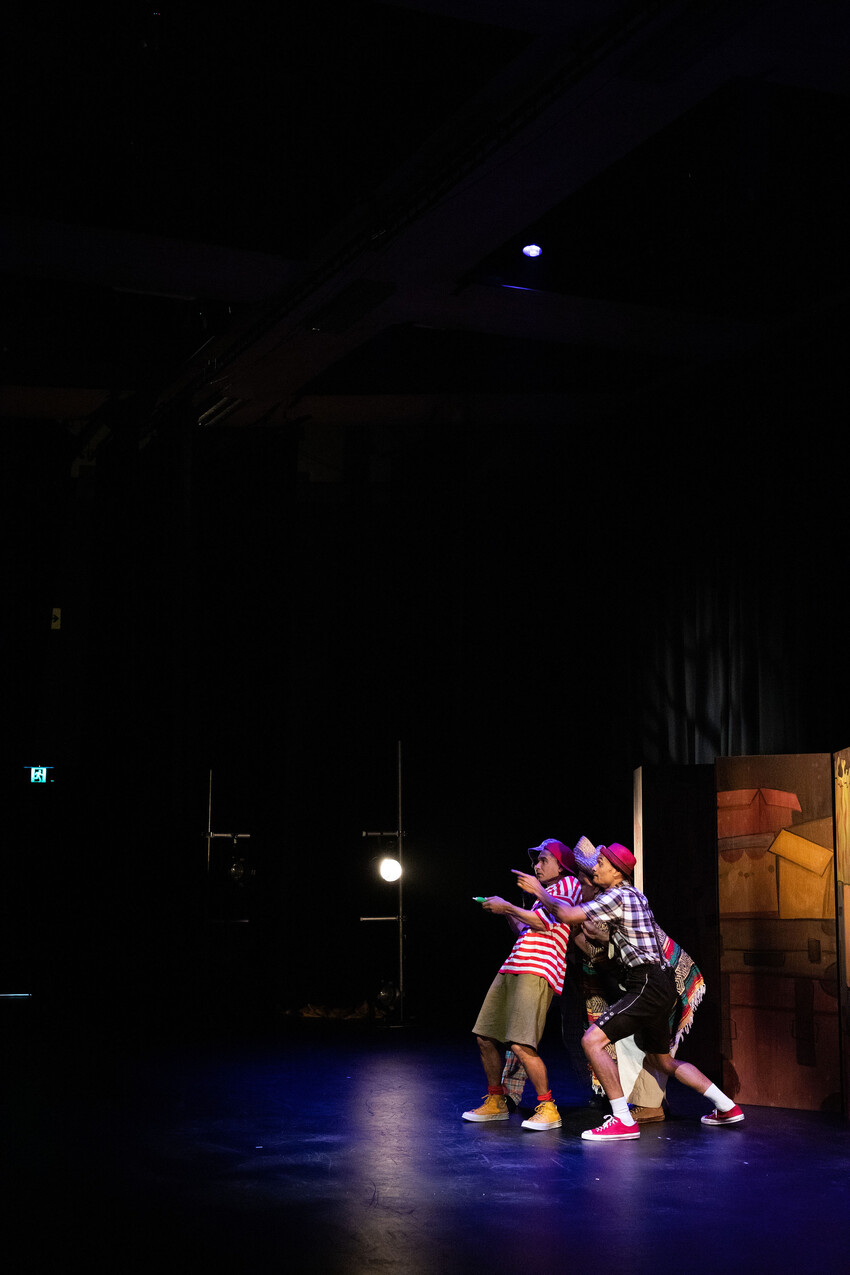
Motuhake follows a young boy who discovers marionettes in his grandfather’s attic. When the dusty puppets suddenly spring to life, they take him on a transformative journey to overcome his fear and pursue his dream of being on stage.
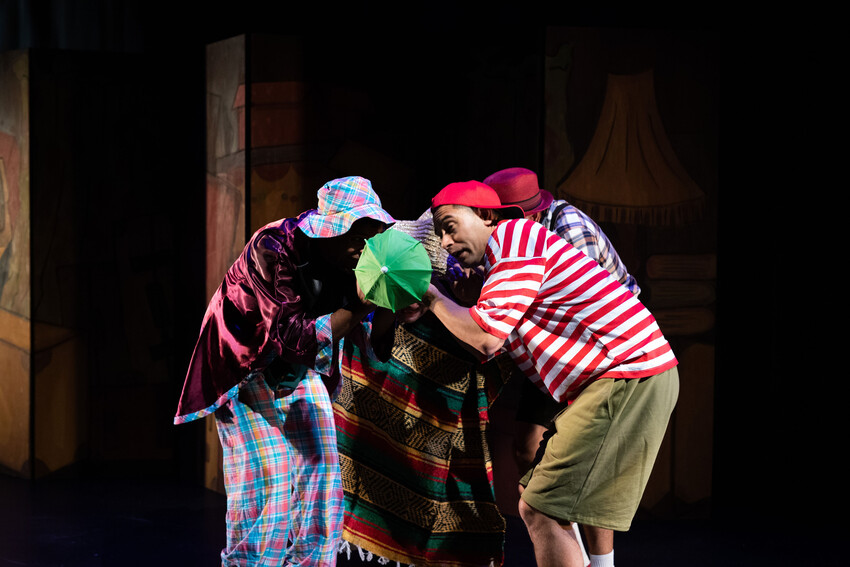
The production combines puppetry, mime, movement and physical theatre, with a cast of Pacific men bringing the characters to life.
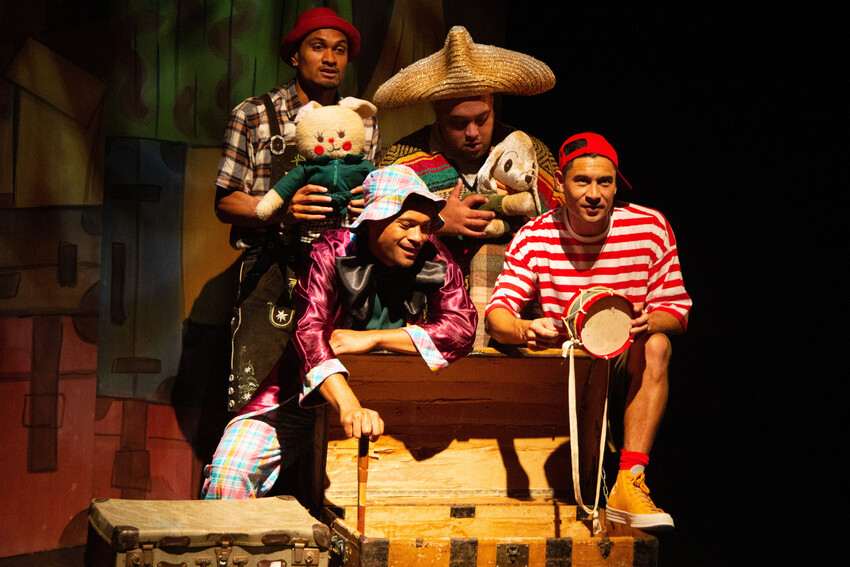
“I guess when you think of puppets and marionettes, the tradition is predominantly rooted in Western storytelling. So to have that brought to life by a bunch of strong Pacific men feels pretty different from other children’s performances.”
“What can audiences expect? To be wooed, entertained and taken on a journey by performers who bring these characters to life in a way that is uniquely Pacific.”
Justin's own journey into performance began through movement.
“My journey began organically, following a childhood friend from gymnastics into ballet.”
His early training was followed by Kapa Haka and an eclectic mix of influences, from Michael Jackson’s choreography to Run-DMC and breakdancing videos, eventually drawing him into hip-hop crews and contemporary movement.
He trained at Brent Street School of Performing Arts in Sydney before performing in the international touring production of The Lion King across Sydney, Melbourne and Shanghai.
Returning to Aotearoa, Justin became runner-up on So You Think You Can Dance New Zealand in 2006 before expanding his career across theatre, television and international screen productions.
He later became a core ensemble performer with Red Leap Theatre, touring productions including The Arrival and Paper Sky, and co-founded physical comedy collective White Face Crew.
“I’ve always been drawn to telling stories through physical movement and creating a range of emotions—not just humour, but also those deeper, more complex emotions. I think part of that is because I’m more comfortable with movement than words.”
That connection between movement, identity and storytelling has continued throughout his career.
In 2009, Justin created Call to Wallis as part of the Pacific Dance Choreographic Lab, allowing him to explore part of his own story through choreography.
Around 2015, while tutoring at the Pacific Institute of Performing Arts, he had the opportunity to bring his father’s story to life through Forsaking Uvea.
“I brought this work together with Call to Wallis for a one-off performance.”
His Pacific heritage has also been an important part of his personal and creative journey.
“My Pacific heritage has been a profound journey of reconnection. It helped bridge a historic family separation, anchored my cultural identity, and deeply enriched my artistic perspective by grounding me in my roots.”
That reconnection is reflected in the collaborative nature of his work.
“I find that it influences me to be more collective in my creative process. It’s not just my story that I’m telling—we all tell our stories through the work we create, and through the way we move.”
It was this approach that eventually led to the formation of Jandel J & the Funky Friends, bringing together male Pasifika artists to create physical theatre works including Motuhake and the nationally touring The Perfect Gift.
The idea behind Motuhake began with the children's book You Are Special and an interest in combining mime and puppets.
“I generally start by devising and following what I enjoy, and then I think about what I want people to take away from the experience. From there, I shape the story around that outcome.”
The result is a story about discovering your own gifts, overcoming fear and having the courage to pursue your dreams.
“With Motuhake, the hope is that people connect with the joy and fun of play, and use that collectively to be brave in bringing forth their own gifts and talents, and in pursuing their dreams—whatever those dreams may be.”
Those themes have personal connections for Justin, who says his shows often draw from his own experiences.
“I think all of my shows have some connection to my own story.”
Creating work specifically for tamariki and whānau was not always part of the plan.
“I never imagined I would be creating whānau and tamariki-friendly shows, but it was something I naturally moved towards after spending so many years touring with groups like Jireh, Red Leap Theatre and White Face Crew. The nature of my own talents has always been grounded in play and movement.”
Representation has become another important part of that work.
“This has been one of the highlights of my career. Touring shows across Auckland, and particularly South Auckland, really brought this reality to the forefront for me—seeing just how impactful it is for our tamariki to see themselves on stage.”
“You can see that the message becomes that much more meaningful and realistic when it’s delivered by someone who looks and sounds like family.”
Alongside his theatre work, Justin continues to work across film and television as an actor and stunt performer, with credits including The Lord of the Rings: The Rings of Power and Avatar: Fire and Ash.
Now, Motuhake is set to meet a new generation of young audiences at We The Young.
“I’m most excited that our audience gets to engage with live theatre that is connecting, amusing, whimsical and relatable, while also carrying a heartfelt and encouraging message.”
At the centre of it all is a simple message: young people have their own gifts to discover, and they should feel brave enough to pursue them.
“I hope they feel at home with us. I hope they can relax, have a good laugh, be moved and encouraged—and also feel like this is something they could do too, if they wanted to.”