
Beauty is in the Eye of the Beholder: A Story of Sight, Sport, and the Gift of Vision
For many Kiwi kids, the dream of wearing black, whether as an All Black on Eden Park or a Silver Fern on the netball court, is the pinnacle of sporting success. I dreamed that dream.
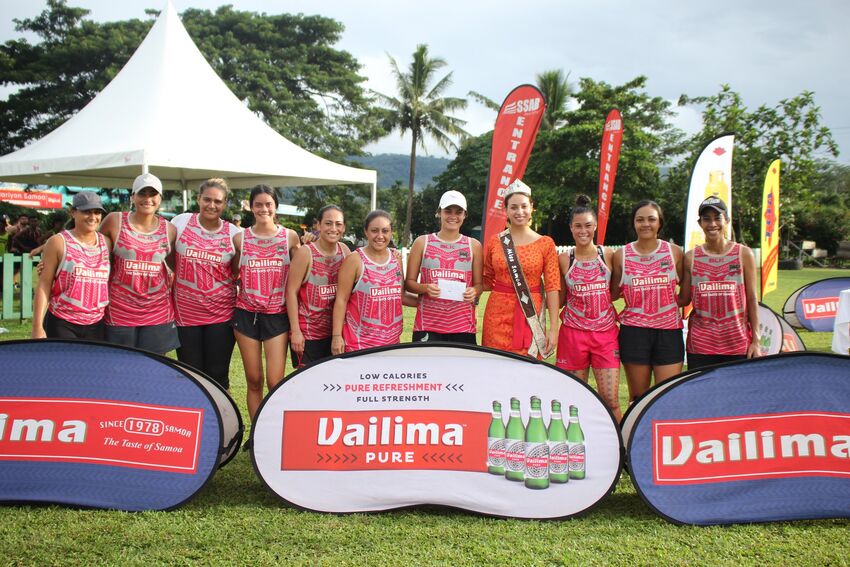
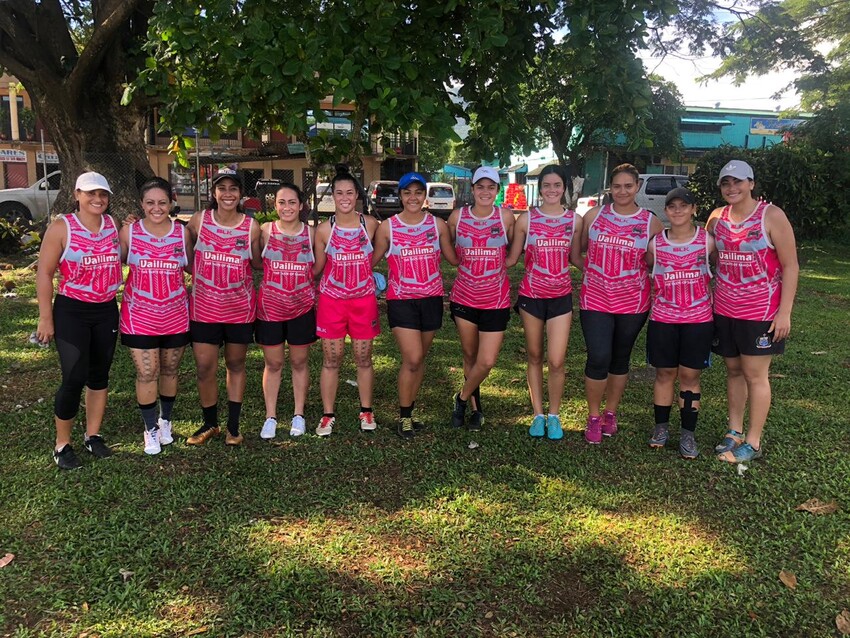
After my grandfather’s passing in 2017, sport became my anchor, helping me navigate the storm of grief. I joined the Marist Club in Samoa, playing social first as a netball player before switching to Touch Rugby. My final tournament was in Samoa, in 2019, when our Open Women’s team secured silver medals, and our Open Mixed team won the Vailima Marist Touch Rugby Championship.
It was my proudest sporting moment. Not because of the trophy we collected that day, but rather standing side by side with my teammates, singing the Samoan national anthem before the final. Hearing the crowd echo back "Samoa Tula’i" (the Samoa National Anthem) was an emotional moment, forever etched in my memory.
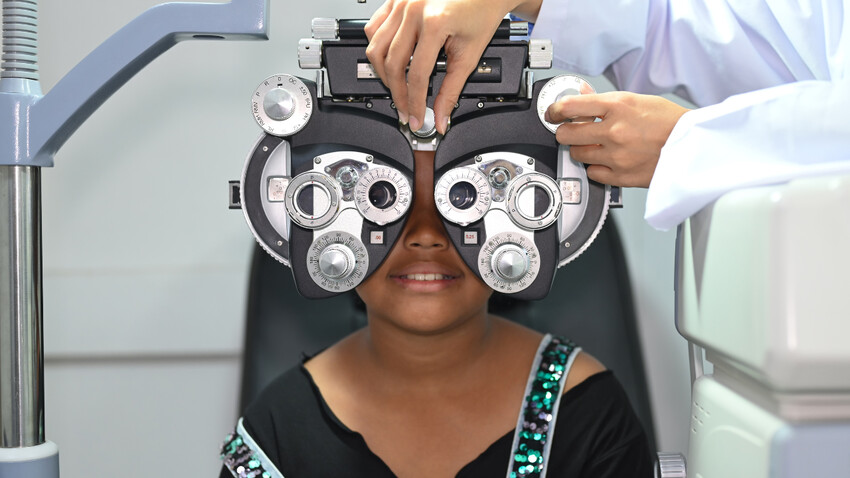
But the joy of that occasion was soon overshadowed by a threat I never saw coming, one that began soon after the tournament, starting with a persistent irritation in my left eye, like an invisible speck of dust that refused to budge. A visit to the local hospital in Samoa revealed that the only available ophthalmologist was away at a conference. By then, the pain which originated in my eye, gave me excruciating migraines that made it difficult to do anything including opening my eyes to walk or do any normal activities. My family, all overseas at the time insisted I return to New Zealand for urgent medical attention.
By the time I arrived in Auckland, I was admitted to Greenlane Hospital with what I thought was a minor irritation which turned out to be severe keratoconus. This is a condition where the window of the eye, the cornea, thins, bulges and distorts into a cone shape, causing distorted and blurry vision.
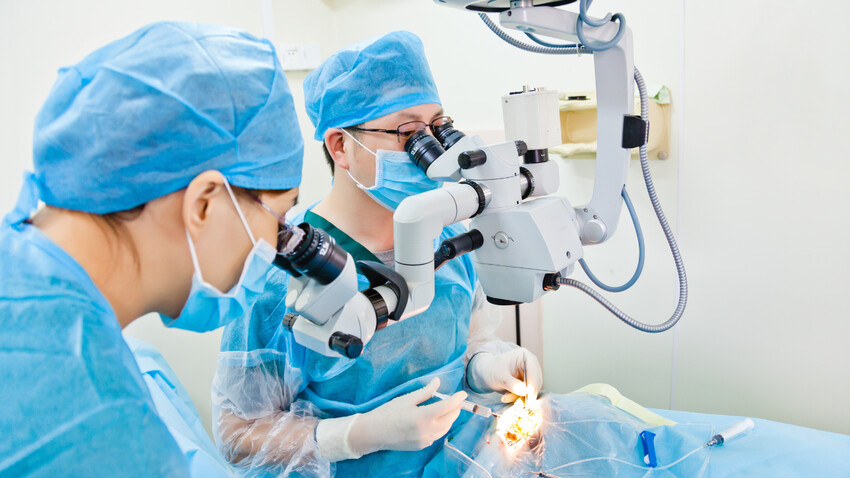
The symptoms can be mild and easily treated, with glasses and/or lenses. Unfortunately, I found out my condition too late and needed a corneal transplant six months later. My doctors told me that if I hadn’t returned to New Zealand when I did, they might not have been able to save my eye.
Recovery was slow and gruelling, I couldn’t work, drive, or even tolerate sunlight or artificial lighting from a laptop or phone which also made communication outside of my hospital room difficult.
My elderly parents became my chauffeurs, carrying shopping bags and doing tasks I once did with ease.
During my long recovery, I met a young boy, "T," at Greenlane Hospital. No older than six, he had already undergone four corneal transplants, his body rejecting each new cornea like an infection. Yet, he was full of life, courage, and joy. We played games, had dance parties with balloons and Disney music, and took our eye drops and medication together to make it easier for him, although I think his friendship helped me just as much. His bravery changed my perspective. That sight was not just about what we see, but how we choose to see the world.
I now understand the true value of corneal donations. A cornea may be a small piece of tissue, but for people like T and I, it is the difference between darkness and light, isolation, and connection.
The gift of sight
Corneal transplants are life-changing, but they are not the only solution. Early detection and treatment, such as corneal crosslinking (which involves exposing the eye to a combination of Vitamin B2 (riboflavin) and UV rays which harden the cornea) can prolong eye health and prevent the need for transplants altogether.
But early detection requires education and awareness, especially in Pasifika communities, where access to eye care, as I experienced first-hand) is often limited.
I had never heard of keratoconus until I was diagnosed with the condition. I asked my surgeon, Professor Charles McGhee, why I had developed it. If there was anything I could have done to prevent this. He said keratoconus affects one in 2000 New Zealanders, and that it was common among Pacific people but as no research had been done specifically on Pacific communities and keratoconus, so it was difficult to understand why it was common among Pacific people or what the specific barriers hindered Pacific people seeking preventative eye care treatment.
I had no idea what I was getting myself into when I asked Professor Charles if I could be that person to research keratoconus from a Pacific perspective. My background was in public health, and it was entirely non-clinical. I felt as if I was way out of my league, but I was determined to ensure that other young people would be better informed than I was and have the opportunity to make better health choices. I never imagined I would be a transplant recipient, at least not at the age of 29. Yet that experience became the catalyst for a fulfilling change in my career.
That surgeon is now my PhD supervisor in the Department of Ophthalmology where I’m researching the prevalence of eye diseases in Pacific communities, and part of a team screening the visions and eye heath of 1,000 young people across 16 high schools and 2000 people in the community.
Advocating for eye health and helping others get the care they need before it is too late has given me a great purpose than sport once did.
To my donor, although I do not know who you are, I often wonder where you travelled, what you saw through this treasure you have now gifted to me. Because of you, I can see my daughter grow up through my own eyes. To the families of donors, your selfless decision is the reason people like me get a second chance at living a quality life.
Donating organs should be celebrated and discussed openly among loved ones. After all, nothing in this world truly belongs to us. We are simply borrowing it for the time we are here. If you had the opportunity to give the gift of sight, would you?