
HUMANS OF THE ISLANDS - FEHI'A TANGITAU
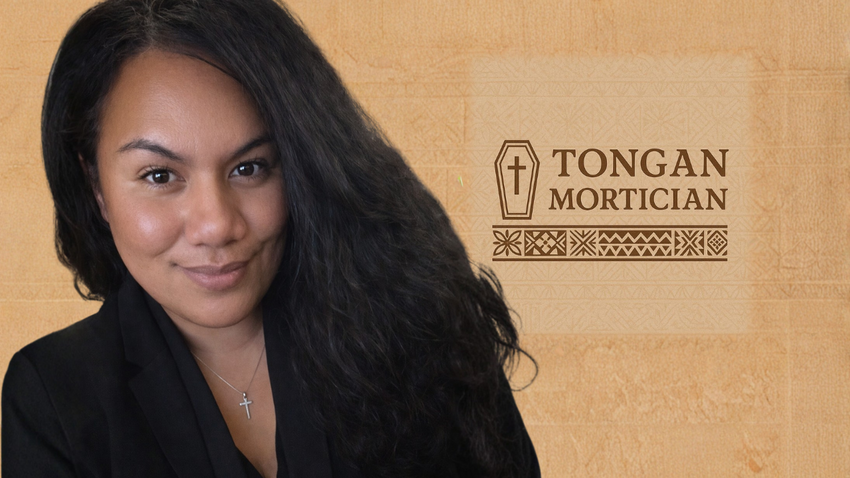
TONGAN / SAMOAN / GERMAN
MORTICIAN + MORTUARY COSMETIC ARTIST
Introduce yourself, your heritage, where you were raised.
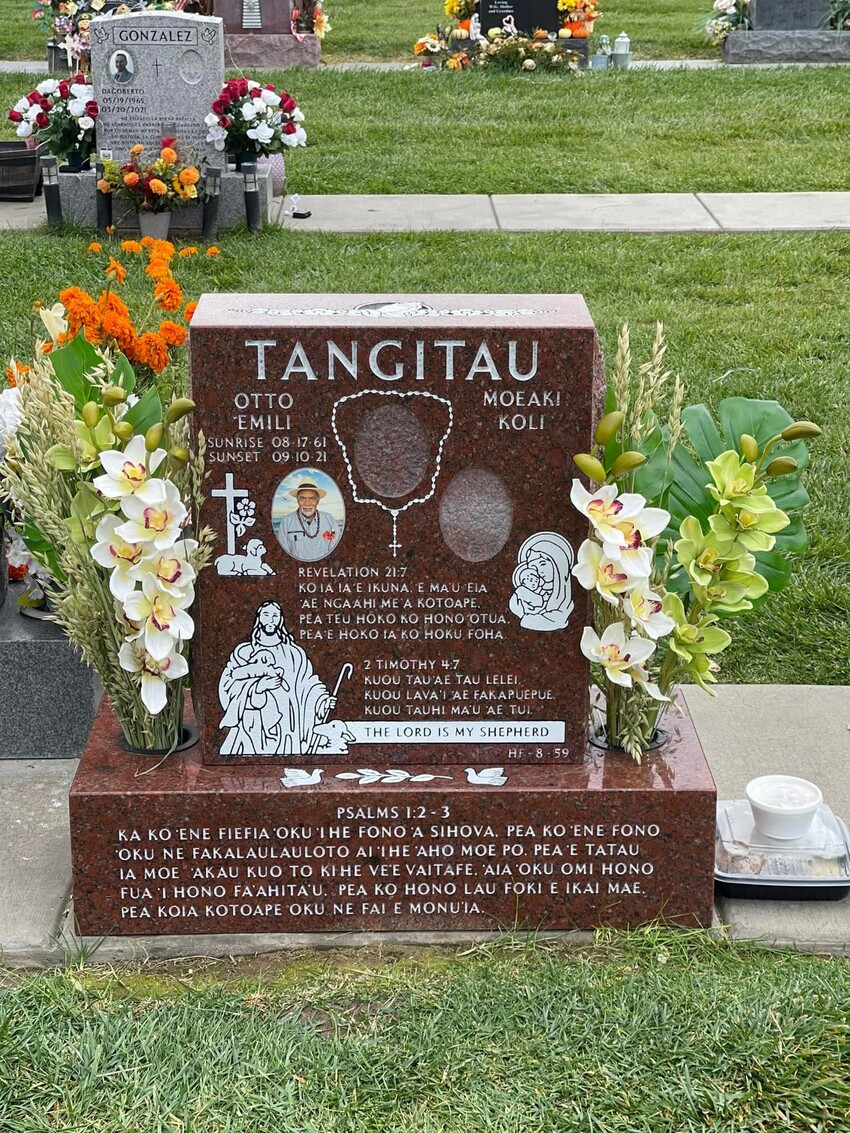
My name is Fehi’a Lusiola Tangitau, and I am a mortician. I am of Tongan, German, and Samoan heritage, and I was raised between Pago Pago, Vava’u, and California. My father is Otto Emili Tangitau, and my mother is Moeaki Masaniai Koli. I am the middle child of seven siblings. I spent much of my childhood in Vava’u and Falevai with my siblings, surrounded by both sides of my family, before moving to California, where we continued to grow up together.
My father has since passed, and it was one of the greatest honors of my life to care for him and carry out his funeral services through my work in the funeral home.
Can you share your journey into becoming a mortician and mortuary makeup artist? What first drew you to this work?
I first started as a makeup artist in the mall, and later transitioned into film, where I specialized in creative and special effects makeup. When the film industry slowed down during COVID, I decided to pursue an opportunity at a local funeral home, focusing on cosmetic work for the deceased.
I had always been fascinated by this type of work but never had the chance to fully immerse myself in it until that time. I made the decision to start from the ground up at the funeral home.
Over time, I discovered a deep love for the work and ultimately chose not to return to film. Restorative arts for the deceased became something truly meaningful to me. Being able to help families find peace and closure by presenting their loved one with dignity is a beautiful and fulfilling experience that I now feel called to do.
Restorative arts in the funeral profession refers to the specialized work of repairing, reconstructing, and cosmetically restoring a deceased person so they appear as natural and peaceful as possible for viewing. It combines elements of cosmetology, art, anatomy, and reconstruction. The goal is not to change who the person was, but to help bring back their natural appearance when illness, injury, or trauma has affected it.
As I continued to grow in the profession, I enrolled in a mortuary science program while working full-time. I completed an intensive one-year course and graduated in December 2024. I have now been with the funeral home for five years and continue to build and refine my skills, learning from the embalmers and funeral directors I work alongside.
How has your cultural identity as a Tongan/Samoan woman shaped your approach to death, service, and community care?
My cultural identity has shaped everything about how I approach this work. In our culture, we take care of everyone with humility, faith, and service to God, family, and community. It is about dignity, respect, and love.
We do not care for just one family at a time; I can often have anywhere from 12 to 20 cases simultaneously. Even so, I do my best to give each individual the same level of respect, care, and love that I would give my own family.
I carry that mindset into every family I serve. I treat each person as if they were my own, because in our culture, everyone is family in some way. I do not judge who comes into my care; I simply ensure that every individual is treated with the utmost respect and dignity.
With Pacific people, the way we care for our deceased differs from Western customs. What about our cultural practices inspires you?
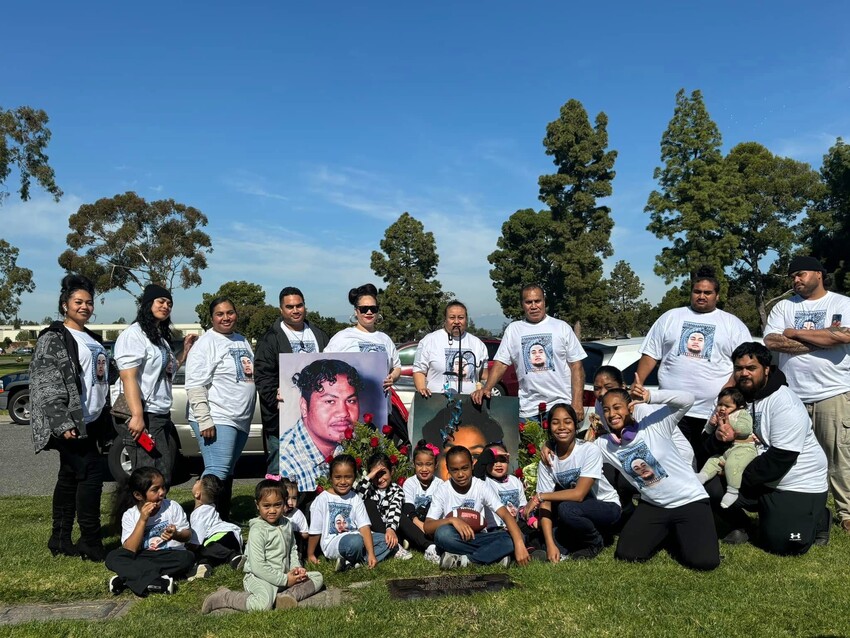
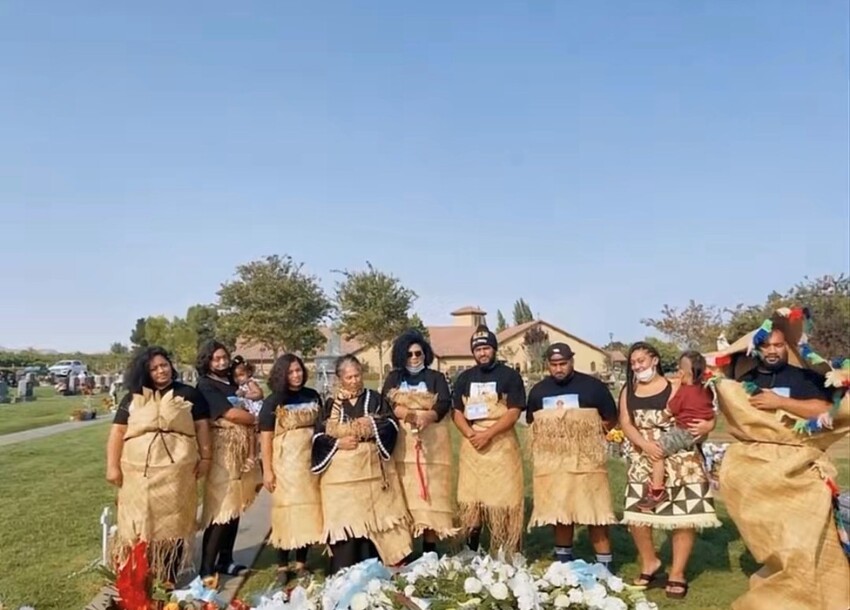
Our cultural practices that surround death are very intimate. What inspires me is the closeness and deep sense of love that surrounds the decedent. When the community comes to mourn in your own living room to honor and show their respects. The way we can bury them in our own family land.
Here in the United States, our customs are often limited by regulations and the structure of the funeral industry. While the industry has grown to accommodate more cultural diversity, it still does not fully understand or consistently support Pacific Island traditions. Many funeral homes are hesitant to take on these services because they require a level of cultural knowledge, detail, and responsibility that they may not be familiar with.
My goal is to help bring more awareness and understanding to our cultural traditions so they are respected, honored, and properly supported within the funeral industry.
There can be stigma or discomfort around death work. What is something you wish more people understood about your profession?
I wish more people understood how peaceful it truly is to care for the deceased. There is something incredibly beautiful about being entrusted with a loved one during such a sacred time. It is deeply fulfilling to help bring families a sense of closure through restorative art and cosmetic work.
I also wish more people understood that death does not discriminate, and that time is what is truly valuable. Being young does not guarantee a long life. I have cared for individuals ranging from infants to 104 years old. Because of this, I believe deeply in using your time wisely and choosing kindness whenever possible.
I understand that death can feel taboo. I have even worked on films that portray it in a frightening way, but the reality of this work is the complete opposite. It is quiet and sacred, a space where care, dignity, and compassion come together to honor a life and bring peace to those left behind.
As someone building a purpose-driven business, what challenges have you faced and how have you overcome them?
One of my biggest challenges has been bridging the gap between the cosmetic industry and the funeral industry, and creating opportunities for others to see how these skills can be used beyond the traditional salon setting.
I began addressing this by presenting workshops at beauty colleges, showing students that their artistry can extend into restorative and mortuary cosmetics. In mortuary school, at least in my experience, we focused heavily on restorative arts, but there was less emphasis on cosmetics. Because of that, I felt a strong need to help fill that gap by creating workshops specifically focused on mortuary cosmetic work.
Launching a new and trusted brand in this space has also been a challenge. However, I have been able to build a strong reputation through my work, which has helped open doors and allowed for a smoother transition as I continue to grow my business.
Due to the success of my brand, Restored Beauty, I have also been able to give back to families by helping them with funeral and cremation costs, particularly for infants and children.
What is something you hope your work changes or opens conversations about in our communities?
I hope my work opens conversations about death in a more honest and healing way. I want people to feel more comfortable talking about it, planning for it, and understanding it. I also hope to highlight the importance of culturally respectful care and show that our traditions matter and should be honored no matter where you live.
Lastly, what advice would you give to other Pacific people who feel called to create something meaningful and give back to their communities?
I would say don’t ignore that calling. What you feel is there for a reason. Our communities need people who are willing to step up and serve in meaningful ways. It won’t always be easy, but if your intention is genuine, it will be worth it. Stay true to who you are, and don’t be afraid to build something that reflects your culture and your values.