
‘Tis the season for matai titles in Samoa - a guide for the uninitiated
By Tupa’isiva Tupa'imatuna FotuoSamoa Jody Jackson-Va'asiliifiti
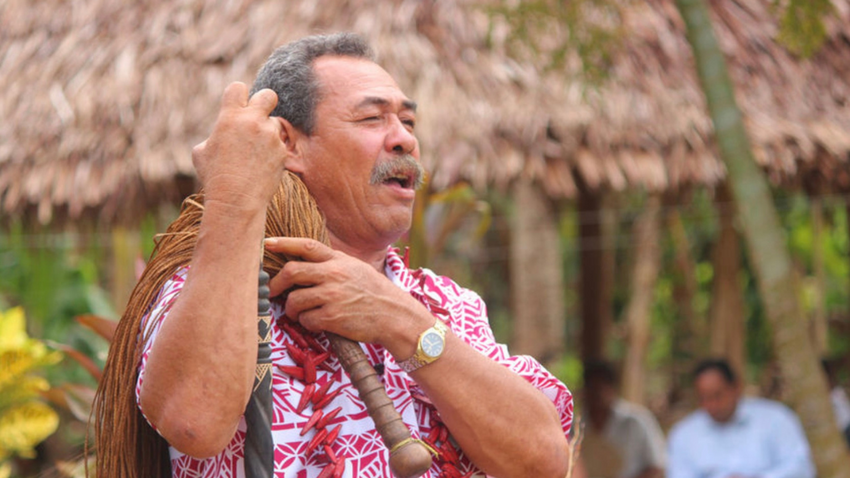
In recent years, many Samoan families have come together to bestow or confer chiefly titles upon their descendants in cultural ceremonies across the islands.
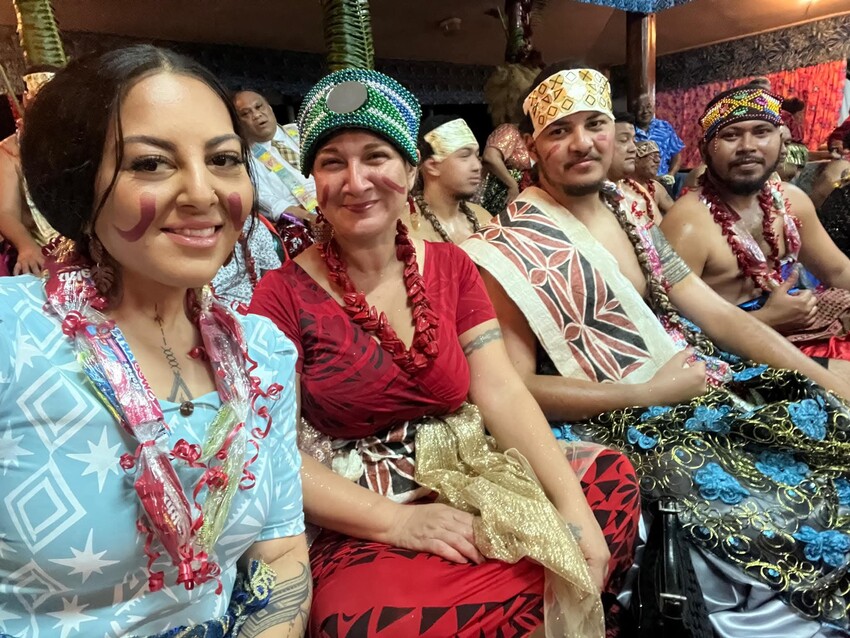
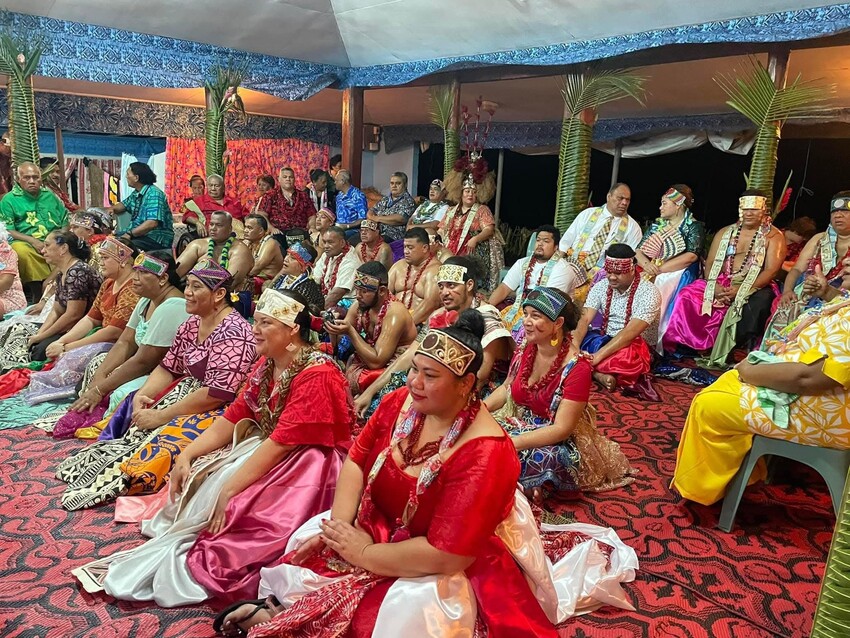
Adorned in bright and shiny fabrics, siapo or fine mat, a pale agiga across the oiled forehead, sometimes a necklace of dollars and a wallet that has been emptied, this is a special moment for an aiga samoa and the person receiving a title.
Arise, you are new matai samoa!
For the uninitiated, these cultural ceremonies occur in *nu’u mavae, established villages with historic structure and set up, usually with a known fa’alupega or honorifics. Nowadays, a church minister or several will attend to bless the event first, followed by the cultural ceremony itself. Prayer is definitely needed for these events because sometimes, you will need Jesus, Mother Mary, Allah, the deities, the indigenous gods and all cultural spirits to prepare you for the privilege and possible burden you will carry when you become a matai Samoa. Ia manuia! Blessings!
Sometimes though, the prayers are all you will have because you may be stripped of your matai title before you even have the chance to update your LinkedIn profile.
Anyhow, let’s not be depressing about this at the start, let’s take some small steps to ease us into our tala (story) before the rolls of Chinese fabrics, plastic beads and American dollar necklaces are brought out of the suitcase.
Before the ceremony:
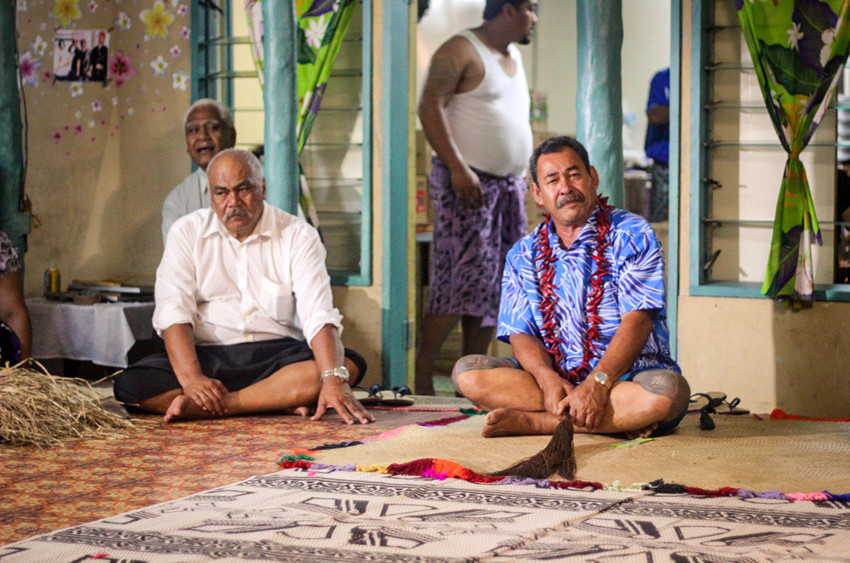
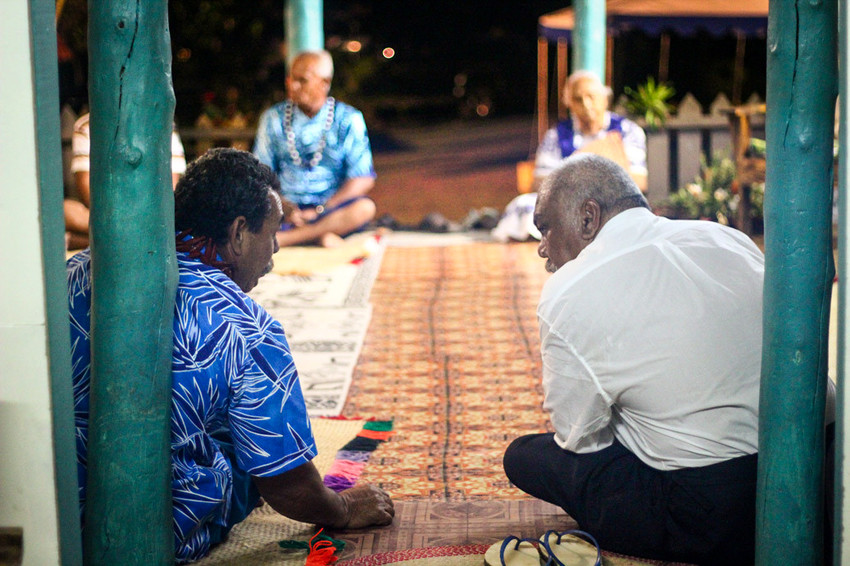
Before the actual matai title bestowment, an extended family would have already met and decided on who of their family will be honoured with a matai title.
This process of deciding could take one meeting or many over several months, years or decades. It could also involve disagreements, agreements, deliberation, factions, rifts and most importantly, lands and titles court cases (but I’m not dragging you to that level yet, small steps, small steps).
The bottom line is, there is never a bottom line, just a whole lot of discussions that happen about the When, Who, How much, Why and the fa’apogai (origin) before matters are decided. On the odd occasion though, all the planning in the universe can end up with surprises.
You might be attending to support a family member but the night before, a decision changes and you are suddenly told, you will be one of the receivers of a title. Or, you come prepared with your teuga and your bling is in place after months of preparation but issues have not been fully resolved or last minute changes mean you will walk away title-less, your pockets empty and frustrated. But let’s get back to some basics.
How does one become a matai samoa?
Being chosen traditionally was linked to the tautua that a person has provided for their aiga and sometimes the village. There are different forms of tautua, a term that is similar to “service” in the English language but it’s a lot deeper and nuanced than service. Perhaps the most well-known tautua that we know growing up in Samoa is tautua matavela. In a literal sense, it is tautua that heats or burns your eyes from preparing food over open fire, making umu, working diligently in the sun and all the laborious tasks performed to serve one’s matai and aiga. Mata= eyes. Vela= heat or /cooked.
There is also tautua toto (blood/bleed), a person is prepared to shed blood in their efforts to serve and protect their matai and aiga. You will die in service for your family. Very dramatic, I know! Spartans have got nothing on tautua toto.
There is also tautua upu (words) when a family can perform their duty and provide guidance for their matai. If you are a good matai, you will be willing to listen, take advice, deliberate, mull over and make decisions based on the guidance and information provided to you. Words. They can sometimes be more powerful than any weapon. So choose your words well.
Your decision-making would be informed and based on maintaining peace, respect, love, stability and most important for me, visionary (tofa mamao). I like this last one because it reminds me that to be a leader, you must be willing to listen, be guided and connected to your family and the issues at hand. Sadly, this is missing for many matai today as many will only lead without seeking guidance or listening to understand.

Then, there is tautua aitaumalele or tautua mamao – ones’ service to their family from afar. This can be in the form of sending money, goods or other forms of support while away from one’s family. This is important for many families who have aiga residing outside of Samoa and they continue to tautua from abroad.
A well-known tautua proverb is “O le ala i le pule, o le tautua” the path to leadership is through service and this is performed in many different ways. There are many more forms of tautua but the above would hopefully steer you on our learning journey. A person’s tautua does not end when they become a matai. It is only the beginning of a life-long existence of leading, serving, learning, connecting and representing their family.
Another minor point here is that most often to be eligible, one has to be a descendant to a matai title (suli moni). However, there are cases where un-related persons have served a family or married in and then acknowledged with the conferring of a title.
To be clear, when they die, that is the end of that title claim. End. The decision on who is bestowed moving forward returns to the family who own the title.
So, how do you perform your service before being granted a matai title?
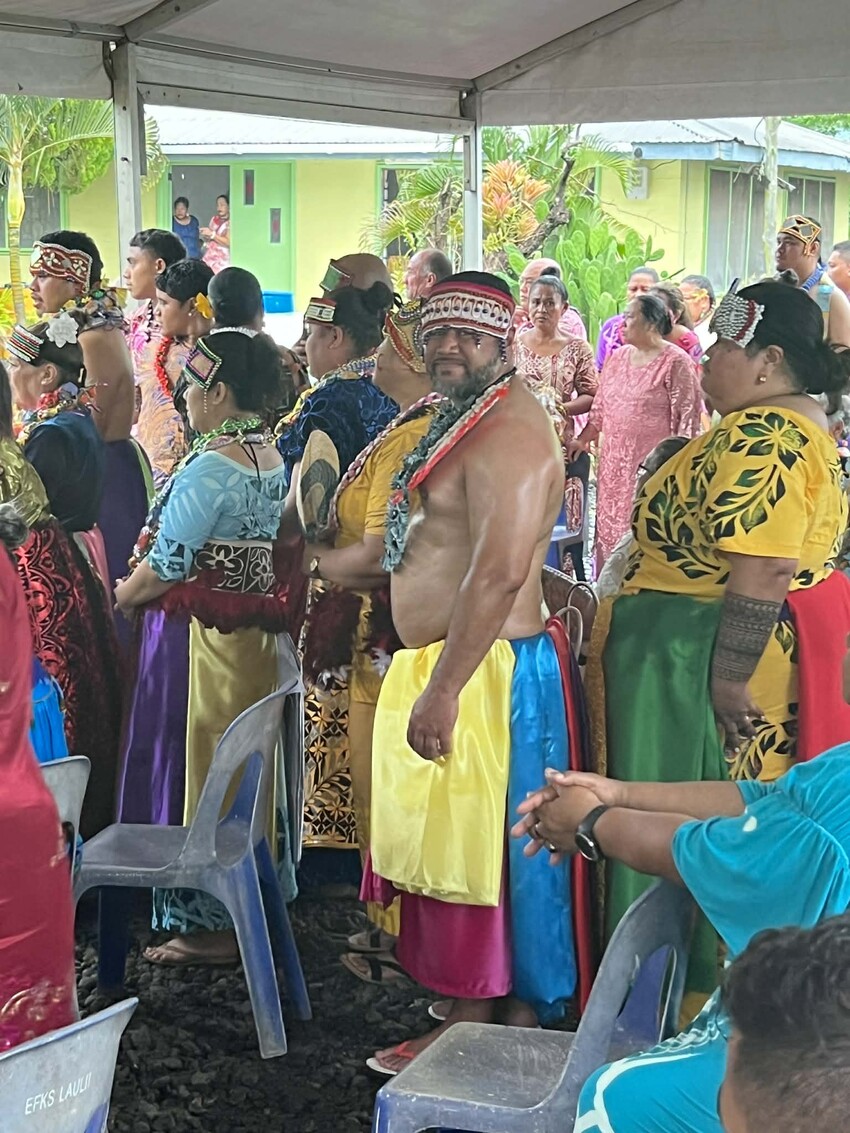
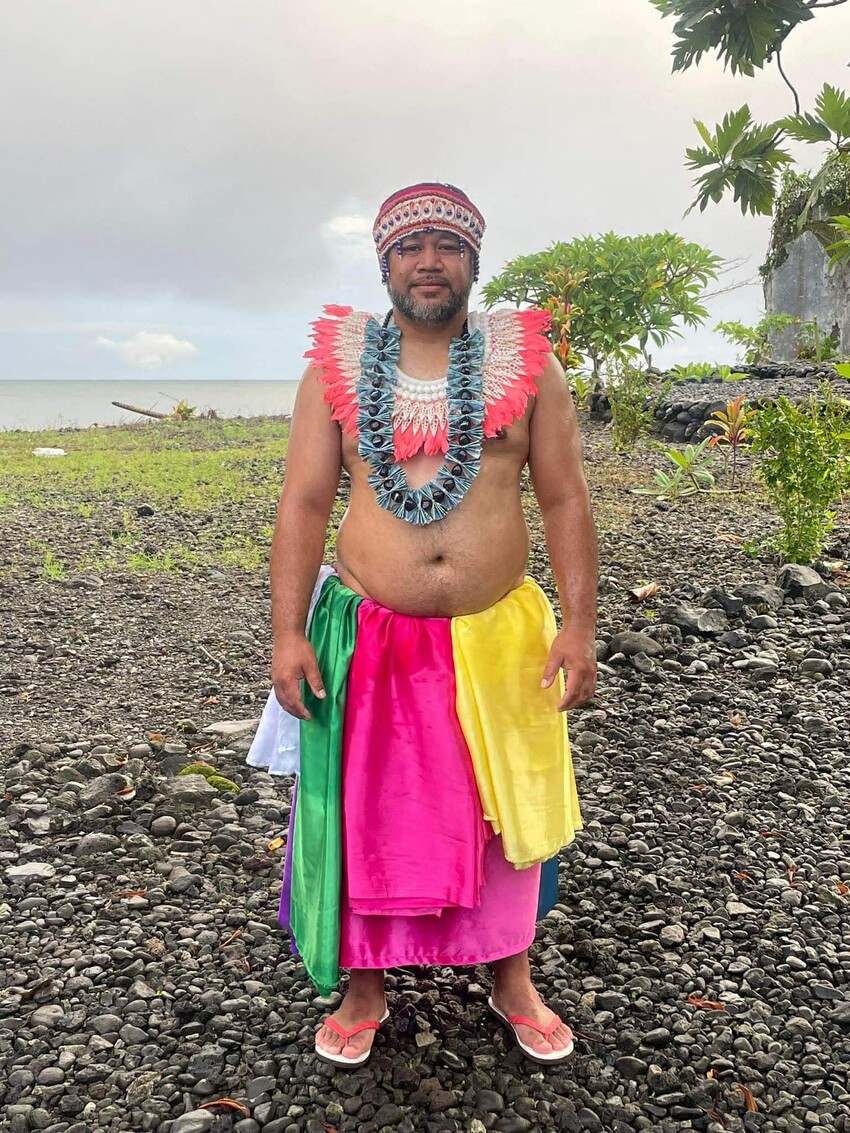
Usually for males in the past, this was performed in serving your family and performing certain duties. This included growing and maintaining a plantation, fishing, being part of the group of untitled men (aumaga) performing duties in the village context, attending village meetings as your family representative, supporting family activities, serving existing matai and performing cultural practices as required. This is the “and any other duties” part of the job description that nobody told you about but you’re required to know inside and out everyday.
For women, this was through their service to their families as well and their significant contribution through duties such as weaving, child-rearing, sharing knowledge, supporting matai and aiga, raising children, being part of the aualuma (women of the village) organising village initiatives, representation at events, performing cultural practices on behalf of families and villages and more.
Or, skip the above and one can very simply be granted a matai title because they are a descendant of a family and,…that’s that. That’s the D. They don’t have to lift a finger, et voila, you will be a chief one day. But you still need to have some idea of what your role is and sometimes being given a title is the impetus that will spur action for you. Sometoimes. Ailoga. Good Laaaak!
Irrespective of gender, I consider one of the most important traits that prepares young people to be good matai is service through listening, observing and continuously learning so that when their moment comes, they know where they stand, sit, speak and be. Years of listening and observing and doing will come into play for the life ahead as a matai samoa. Earning that title through service can start from childhood or it can start the moment you have been bestowed a title by your family.
But how do palagis get their matai titles?
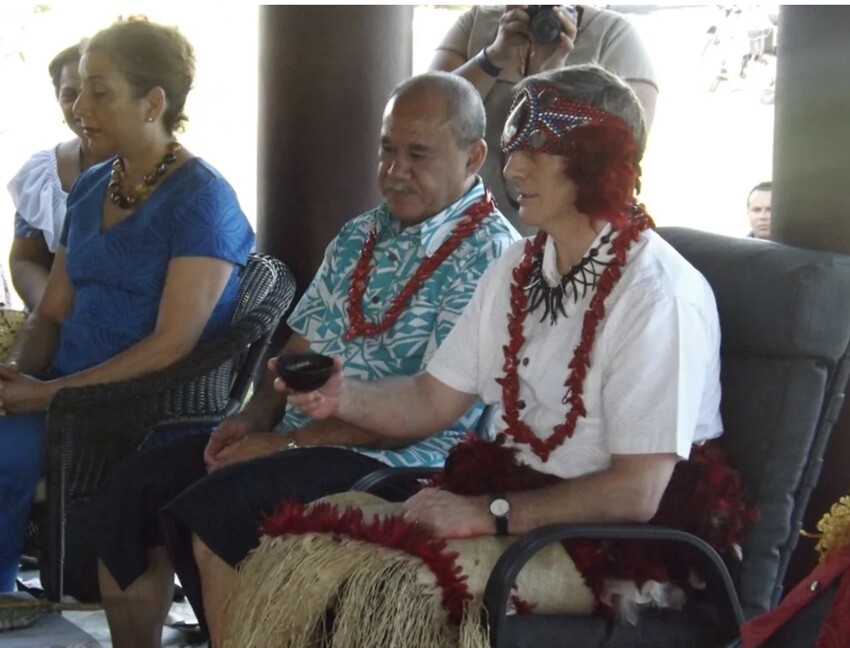
On occasion, a non-samoan is bestowed a matai title to honour their presence and the importance of their visit or contribution to a family, village or region. These titles do not necessarily have the real weight of a matai title conferral nor connection to land or obligation to serve their family. For instance, the former Prime Minister of NZ receiving a title from Falelatai, Rt Hon Jim Bolger or King Charles being bestowed one during CHOGM. It is an auspicious occasion where a family are proudly bestowing a title to mark their visit or contribution. Sometimes these are called honorary titles.
Matai outside of Samoa
Today, many Samoans who have been blessed with a matai title live outside of Samoa, many don’t speak Samoan or have a good grasp of the samoan culture. However, their tautua is still recognised because they can still participate from afar. Hi Western Union.
Even if a matai is living away from their homeland, their contribution matters, and it doesn’t just have to be financial. They can be connectors and educators who bring families together. They can organise grocery shopping for their aiga from afar. Come through Pacific40 and Digicel Klickex Cash transfer!
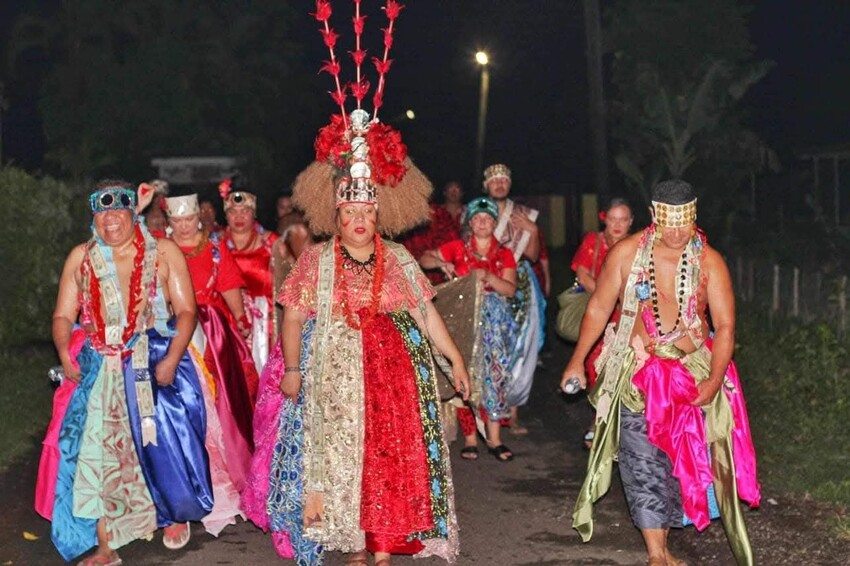
They can also show interest in what is happening in their families and village matters in Samoa. A matai living abroad can also continue their service by supporting others and being simply a good person. They can be well known or champions in their field, like Seiuli The Rock Johnson. Any matai can also contribute monthly to their village operations (monotaga) but this is not the most important factor, supporting your family is. If you are not confident with speaking Samoan, it’s ok. Your Samoaness isn’t cancelled because of your language barrier. You are still very much part of your family and village in Samoa.
Why is getting a matai title important?
I asked this of my brother Va’asiliifiti Simon who has aged immensely after years of matai related matters. He resides in New Zealand but can’t escape that responsibility to serve his family and that of his wife’s, Kaisalina.
“The matai title is recognition of your tautua or that of your aiga over the years. I think it’s important because it’s your faasinomaga - it’s important to carry on those titles - to know your faasinomaga to serve, make a difference and e amagaia ai foi lou aiga. Especially today, many Samoans are outside of Samoa and once you say that title, everyone knows who you are, but don’t just have a title, use it to tautua wherever you are, for your family”.
As he says this, I can sense the weakness in his voice because he has had back to back fa’alavelaves in the last three months. I abandon the discussion and asked another matai samoa who has also aged immensely from his years of matai related activites. Seulupe Tamausu Dr Falaniko Tominiko has dedicated many years researching this very topic and it has culminated in an extensively researched doctorate on Transnational fa’amatai: decolonising and re-indigenising development.
“The most important reason to be bestowed a matai title is not to lead the aiga, but to serve your aiga. Being recognised as a leader of the family comes automatically with the title, but using the title to serve your family is a personal decision of the title holder. The reason I say this is that some people treat a matai title as a badge of honour. It’s something nice to have on their CV, add to their linkedin page, facebook page, email signature etc, and then proceed to do absolutely nothing to serve their family who bestowed them their title.
Note I said "serve family", not "village". The village did not give you your title, your family did". He shared more about tautua on this podcast.
So, you have been chosen. What next?
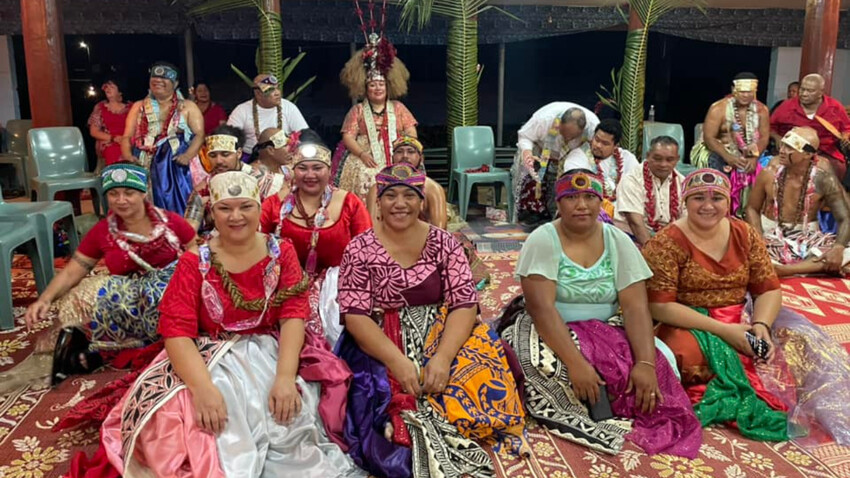
On the day of the ceremony, usually held early in the morning, those who will be bestowed a title will be adorned in their finest laei, a beautifully sewn puletasi for women and for men, it can be a thick velvet lavalava that their aunty has been treasuring in her pusa ku next to mothballs for this occasion. The finest siapo or ie samoa could be tied around the waist. Rolls of fabric will be added on. Bright shiny shimmer everything.
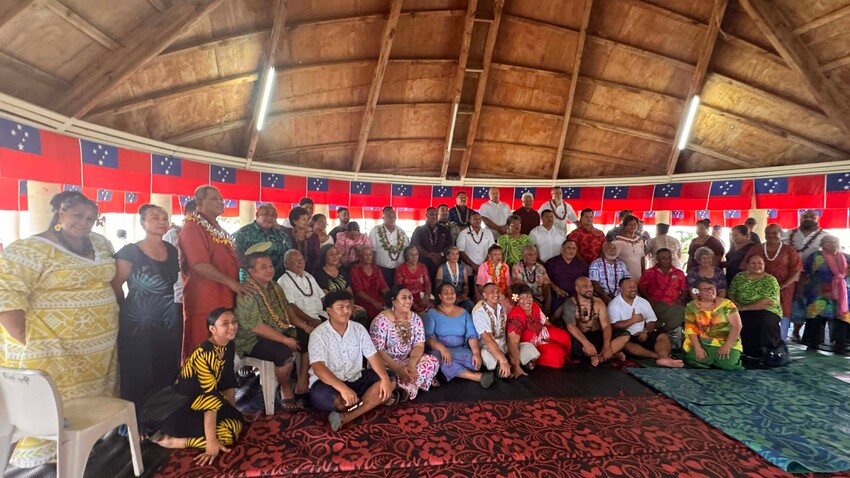
And most if not all will be wearing a pale agiga: 7 year old plastic bead makers across East Asia will be pleased with the shine of their product that proud mamas will painstakingly sew alongside mirrors, African shells and dangling balls of bling. Put these all together and you have before you, all the colours of the rainbow, Joseph’s multicoloured coat and a blinding spectacle. Chooohooo!
Tips for those who are virgins to this whole process:
In most villages, all the fabulousness that is worn and is removable, WILL be removed at the end and gifted to the village. So, don’t use your grandfather’s 70 year old siapo because in most ceremonies and for some villages, whatever is visible, is deemed … a gift. I know villages where it’s the norm to yank these off and toss them to the mat that’s dragged in front of the newly blessed matai. If you’re slow, a helpful taulealea will remove things without your approval.
So; adorn yourself with items you’re prepared to lose and congratulations, you are a matai samoa.
The hiccups and the process
Up until this point, I have tried to be as positive and to tread as lightly as possible on this whole experience. But, like all cultural practices, the bestowal of titles can be problematic and can cause rifts between families, villages and wider communities.
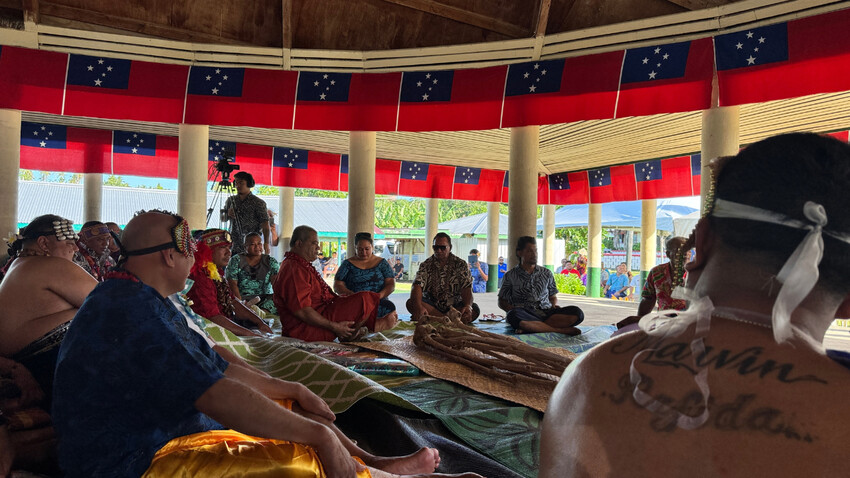
Every matai title conferred in Samoa must be registered with the Ministry of Justice and Courts Administration, with a signature from a head or matai of the family and co-signed by a village representative (usually Pule Nu’u). This then needs to be lodged with the Ministry and a three-month window follows for anyone to challenge or dispute the title conferred before it is legitimised.
I have witnessed many cases where a ceremony occurs and a dispute follows where the legitimacy of a person’s claim or connection is in question or perhaps a Sa’o has disagreements with those who received titles.
Matai titles discussions can be absolutely messy and should one ever want to watch real entertainment, Tuasivi or Mulinuu is the place to go – to witness people argue their cases before a panel of samoan judges. So, in summary, all the bling and American or NZ dollars could be in vain if challenges are laid after a title ceremony.
It can also get worse. Families can get ousted from their lands, their pocessions destroyed because they have won a court case or continue to cause problems. I say this as a member of a family who were excluded from village activity repeatedly due to matai title matters. It is an unpleasant situation but if you remain true to your faasinomaga and continue in your service to your aiga nothing else matters.
Now that I’ve spooked you, should you still accept that title as a Samoan?
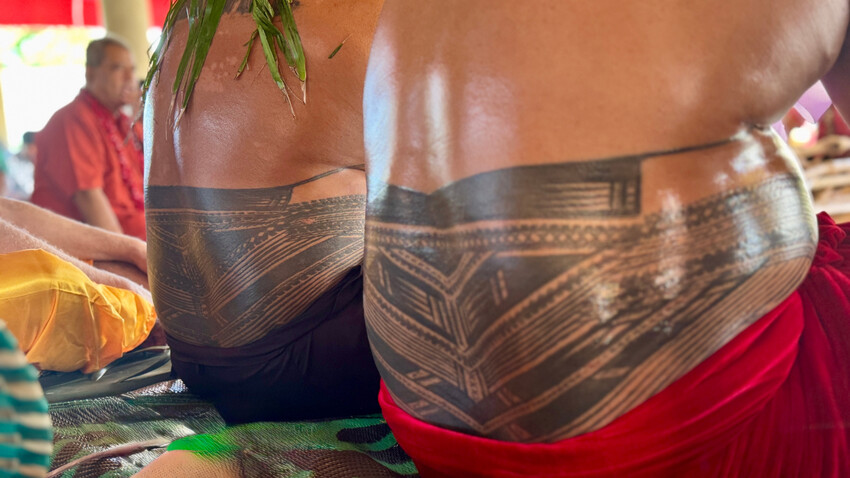
Matai titles are important in affirming one’s identity, faasinomaga and connection to their family, land, to service, their lineage and it can set a path for the future. The fa’amatai system is central to the continuity of our aganu'u (culture) and community. Seek out information about the title and show interest in your family matters and especially genealogy. Quite often, what we see is the fanfare of a title ceremony, but what remains important is the connection we form and strengthen when we come together as families and our commitment to tautua moving forward.
But what if I’m not good enough!
My mother was bestowed her first title in her 20's. At the time, she felt utterly inadequate and unprepared but her uncle Va’asili Sene and family were very clear and I realise now, strategic. She had no choice and so she accepted and spent her lifetime serving, supporting, fighting, advocating and championing for our family and our aganu’u. She used to say to our young matai “This is your moment to step up and serve. Don’t wait. Don’t be a pala’ai (coward). You have been chosen by your family for a reason so your resolve must be brave. Ia toa lou loto”
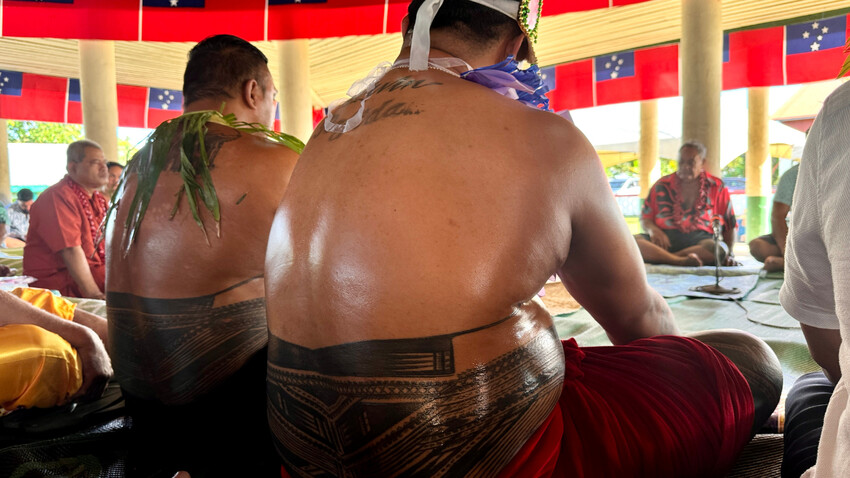
If you wait until you are ready, then you may be waiting for a lifetime. Sometimes, the best way to learn is stepping up and learning on the job.
Final remarks
Should you be granted a matai title in the coming months, I wish you courage, humility, bravery and patience. Ia e alofa i lou aiga. Show compassion. May your vision(tofa) be far reaching and done in a way that unites and brings peace. May you have money growing outside your house. May you take your medication and keep calm. May you continue to seek guidance, listen, enable and be present. May you be bold enough to challenge decisions if they are not sound. Keep learning. May your blood pressure remain regular. May you continue to show up, show care, and even if you have nothing to give, your presence is what matters.
There's the saying “e afua mai mauga le manuia o se nuu” - the blessings of a village starts from the mountains (chiefs of leaders), so be that enabler of blessings, wherever you are, at home or abroad.
The fa’amatai system is so central to our culture and is part of why we have an independent nation (most of the time). When we peek into our histories, our nation is what it is because of our fa’amatai system and the strength and tofā our tua’a.
In saying all of this, I acknowledge here that in some cases, some matai may treat these cultural processes with disregard and it becomes about the monetary gain and ego, but it is all the more reason why we need good people to step up and take on the responsibility to make a difference.
All the best, O ou mama na,
Tupa’isiva Tupa’imatuna FotuoSamoa Jody Jackson-Va’asiliifiti
Additional context:
Matai: read the article
Aiga: Family
Nu’u mavae: village with cultural history or origins with an established faalupega
Fa’alupega: Honorifics
Alofa: Love
Ava: Kava
Saofa’i: Sit. Informal reference to the bestowment of chiefly titles.
Faafotutupu: To bring forth a matai through the process of bestowing or conferring of a title.
Tapa Le ipu: To receive the kava and drink it, a critical part of the ceremony. In the past, another person could receive this kava drink on behalf of an absent person.
Alii taua : Paramount chief
Tulafale: Orator / Talking chief
Aumaga: unititled men of the village
Suafa: formal reference to name
Aga’ifanua- practices pertaining to a particular land, region, village or influenced by a significant event or family in a specific place(fanua).