
Could Ulberg be our new poster boy to the world?
Dr Hoani Smith, Dr Phillip Borell, Lefaoali’i Associate Professor Dion Enari
There’s something bigger here than just another UFC win.
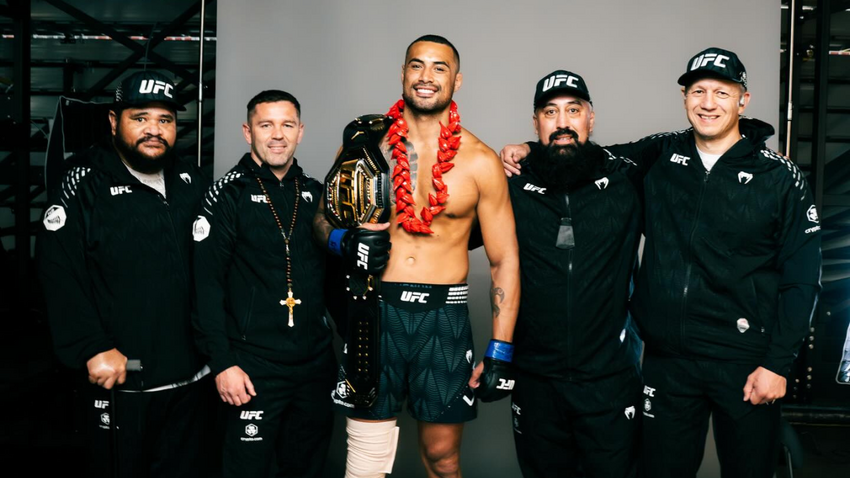
When Carlos Ulberg steps into the Octagon, most see the obvious. Athleticism, composure, and the finish. But this one was different. It was a moment. Because this isn’t just about winning a championship anymore. It’s about building a global presence.
Whether we like it or not, Ulberg is carrying something bigger than himself. He’s carrying us and our country.
New Zealand is known for punching above our weight on the world stage. Names like Jacinda Ardern, Lorde, or Russell Crowe, doing it large on the big stage. They shape how people see us. Ulberg’s starting to do that too. Just in a different arena.
He’s Māori and Samoan. He’s calm, measured, and doesn’t need to be loud to be noticed. In a sport where a lot of people lean into hype, he’s gone the other way, and it’s working. Remember, influence doesn’t just sit with politicians anymore. It sits with visible people, who move across cultures, who connect without trying too hard.
Also remember, the UFC is global. When Ulberg fights, it’s not just us watching; it’s the US, Europe, everywhere. People around the world are paying to watch, and big names are cageside. That tells you the kind of room he’s in.
Aotearoa New Zealand has punched above its weight in the fight game. Names like David Tua, Ray Sefo, Israel Adesanya, Cherneka Johnson, Mea Motu, Shane Cameron, Michelle Montague and Kai Kara France have carried weight in the highest echelons of combat sports. Each has a distinct ’Kiwi’ identity and cultural component.
So here’s the question, not just for us, but for him too. What do you do with that? Because Aotearoa New Zealand’s good at celebrating people once they’ve made it. Not always as good at thinking about what that actually means beyond the moment.
Ulberg’s in a space now where he’s not just representing himself. He’s representing how our country is seen. In a lot of ways, he’s shaping it. Looking at him, he’s kind of the perfect ambassador; whether he knows it or not.
Not in a forced, PR way. But naturally. He’s grounded, respectful, carries his culture well, and performs on one of the biggest stages in the world. That combination is rare.
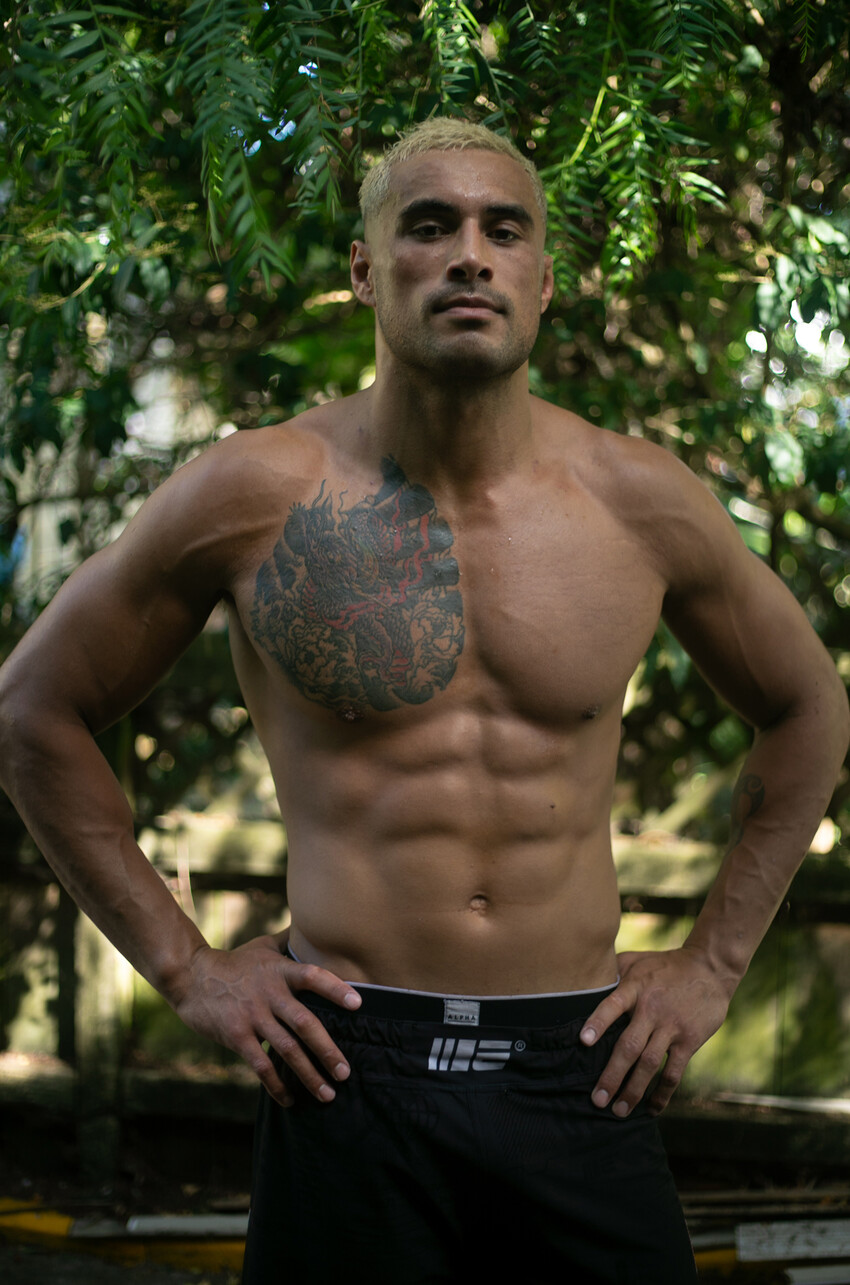
We’re in a time where things feel a bit unstable globally. Divided, noisy, uncertain. In that kind of environment, visibility matters, but not just being seen. It’s about doing something with it. Getting numbers on the board, and that’s what Ulberg is doing.
For Indigenous communities, representation has often been about being included. Being there. But there’s a shift when you’re not just there, you’re winning. It forces people to pay attention. It changes the narrative from “potential” to “proof”.
For Māori and Pasifika, that’s big. It shows rangatahi that this isn’t out of reach. That you don’t have to change who you are to succeed at that level. You can carry your culture with you and still operate at the top.
It shows the world something a bit different about us, too. Not just the haka. Not just the clichés. But calmness, discipline, and the ability to perform under pressure without needing to put on a show. That's the influence. Real influence.
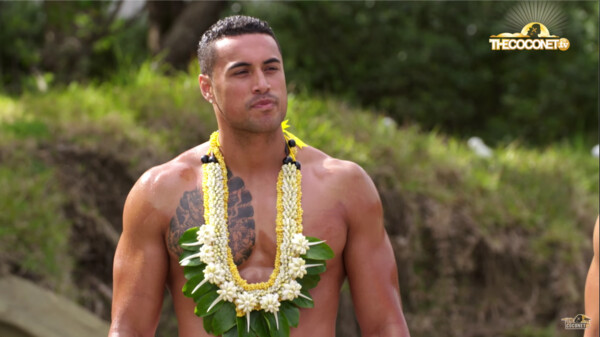
Ulberg didn’t follow the usual path: he did modelling, rugby league, entertainment, now the UFC, and that’s the point; it shows there’s more than one way to make it. For a lot of young people, that opens things up. Not everyone fits the straight-line version of success. His path gives a bit of room to breathe and explore. And this isn’t coming out of nowhere either.
Places like City Kickboxing have already produced world champions like Israel Adesanya and Alexander Volkanovski, so Ulberg’s not an outlier; he’s part of something that’s been building for a while now. It’s not just about training. It’s about the environment. Culture. Connection. You can see the Māori and Pasifika influence in how those athletes carry themselves, not just how they fight.
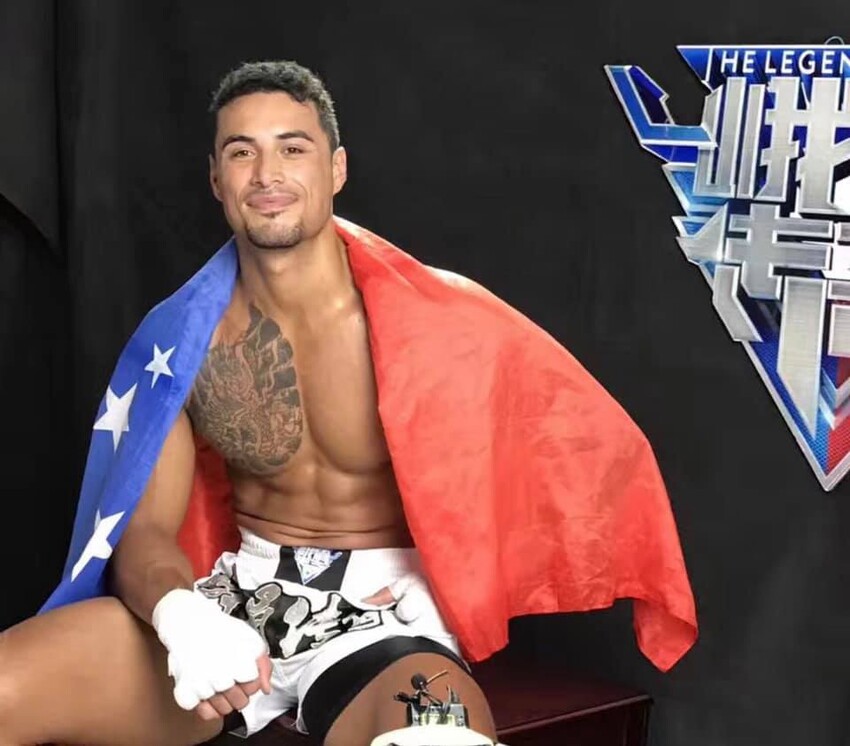
So yeah, it was a big win. But here’s the challenge, not just for New Zealand, but for Ulberg himself. Lean into it. Because this isn’t just about momentum anymore. It's position. He’s in a space now where he can do more than win fights. He can represent something bigger, for Māori, for Pasifika, for New Zealand as a whole.
Not everyone gets that opportunity. And if he chooses to take it, he won’t just be another successful athlete. He’ll be something more than that. Exactly the kind of ambassador New Zealand needs right now.
-
Dr Hoani Smith
Hoani Smith is a lecturer in sport management and sport science at Lincoln University. His work focuses on sport science, health interventions, culture, leadership and Indigenous wellbeing in Aotearoa New Zealand.
Dr Phillip Borell
Dr Phillip Borell (Ngāti Ranginui, Ngāti Apakura, Ngāti Tūwharetoa) is a senior lecturer (above the bar) in Māori and Indigenous Studies, and Sport, at the University of Canterbury, a community advocate, and the current chairman of Canterbury Rugby League.
Lefaoali’i Associate Professor Dion Enari
Associate Professor Lefaoali'i Dion Enari is in Ngā Wai a Te Tūī (Māori and Indigenous Research Centre) Unitec & Honorary Associate Professor, School of Social Sciences University of Queensland. He is an Indigenous Samoan academic who covers Indigenous, Sport and Pacific issues regularly as an author and interviewed on several International and National media platforms including World news, ABC News, ABC Radio, The Guardian, Thomson Reuters Foundation, New Zealand Herald, Radio New Zealand, Samoa Observer, and The Coconet. His PhD is on Fa'a Samoa (Samoan culture) in the Faculty of Society and Design, Bond University, Australia.