
Destanee Aiava Blasts ‘Racist and Misogynistic’ Tennis Culture as She Announces Shock Retirement
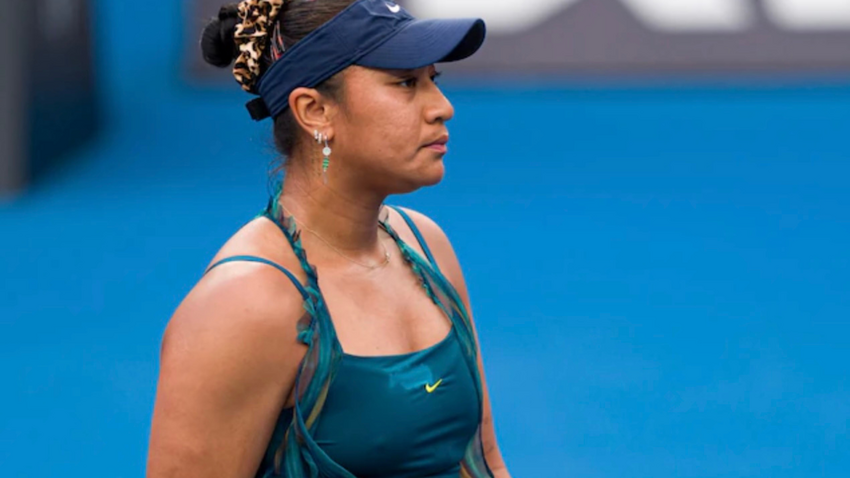
“Behind the white outfits and traditions is a culture that's racist, misogynistic, homophobic and hostile to anyone who doesn’t fit its mould.” Destanee Aiava slams racsim in professional tennis
When you carry the hopes of your people onto a stage that was never designed with you in mind, the weight is different.
Samoan Australian tennis player Destanee Aiava has announced that 2026 will be her final year in professional tennis, closing a chapter that began when she was just a teenager with a racquet and a dream. For many across the Pacific diaspora, she was more than a ranking - she was representation, a brown girl in white tennis gear, standing in spaces that have historically excluded people who look like her.
In a powerful and deeply personal statement, Aiava reflected on the cost of dedicating her entire life to the sport.
“From the moment I had my first lesson at Casey Tennis Club, my entire life was tennis,” she wrote. She questioned whether the sacrifices were worth it, revealing that at 17, just as she was on the brink of a breakthrough, everything shifted. “I was only 17, unprepared and dangerously naive to the consequences of trusting the wrong people. The trajectory of my career was never the same after that.”
For Pacific families, sacrifice is not foreign. We understand what it means to give everything to a dream. Aiava said she kept playing because she felt she owed it to herself and to “everyone who had helped me throughout my career.” That sense of obligation, of carrying others with you, is something many in our communities will recognise.
But she also spoke openly about the emotional toll. She described tennis as her “toxic boyfriend” and admitted she sometimes continued out of fear of starting again. She did not hold back when addressing the abuse she has endured.
“I want to say a ginormous f*** you to everyone in the tennis community who’s ever made me feel less than.”
“F*** you to every single gambler who's sent me hate or death threats.”
“F*** you to the people who sit behind screens on social media, commenting on my body, my career or whatever the f*** they want to nitpick.”
For years, Aiava has faced online trolling, including body shaming and attacks on her performance. Earlier this year she said, “Body shaming is not a f***ing opinion, and neither is bullying.” Her words echo what many Pacific women experience in public spaces where their bodies, voices and identities are constantly scrutinised.
She also challenged the culture of the sport itself.
“Behind the white outfits and traditions is a culture that's racist, misogynistic, homophobic and hostile to anyone who doesn’t fit its mould.” she wrote in her impassioned social media posting about pulling out of the sport.
In naming this, Aiava has done something bigger than announcing retirement as she has exposed what many athletes of colour quietly endure.
Through it all, she has remained proud of her heritage. With a New Zealand born father of Samoan descent and a mother born in American Samoa, Aiava has always acknowledged the Pacific community that stood behind her.
“To the Pacific Islander community — thank you. I am deeply humbled I have been able to inspire young girls and boys who look like me… I am proud to have been one of the few you saw on a stage that wasn’t built for us. I am proud to have made history for our people.”
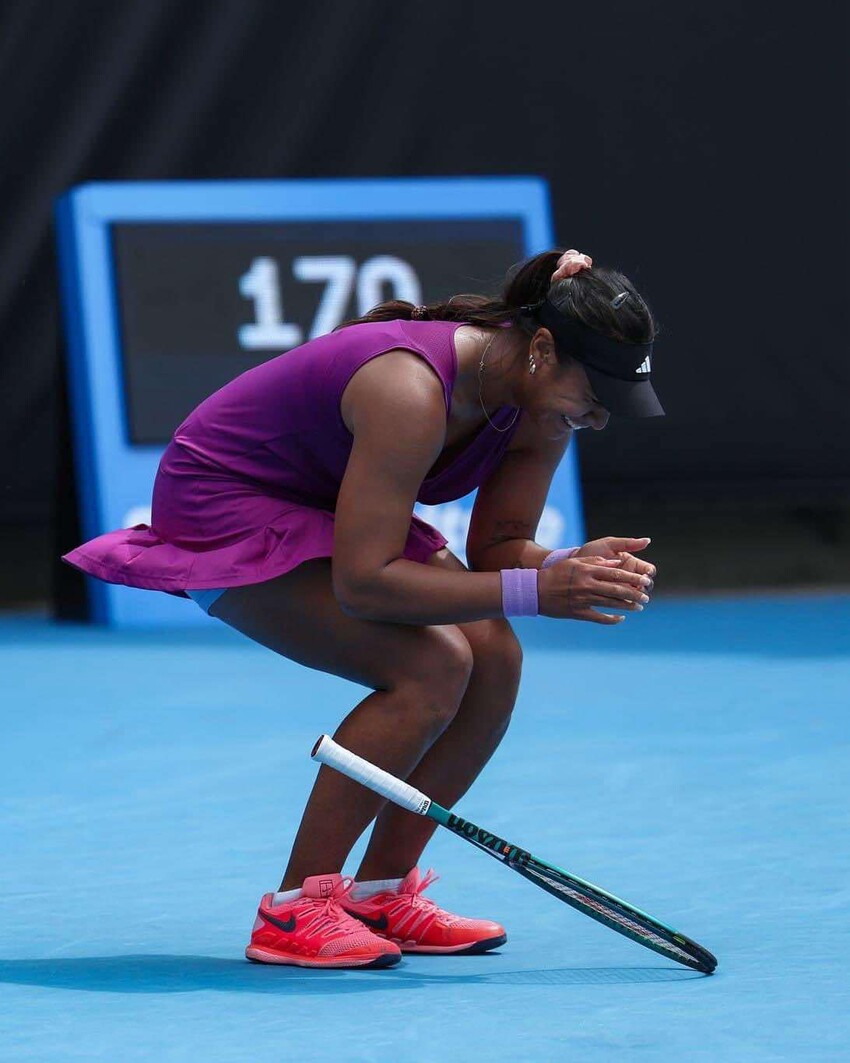
Those words matter, because for every young Pasifika kid watching from South Auckland, Western Sydney or South Auckland, seeing someone who shares their whakapapa step onto the world stage shifts what feels possible.
Currently ranked outside the top 200, with a career high of 147 and 10 ITF singles titles to her name, Aiava’s legacy cannot be measured by numbers alone. It lives in the visibility she created and the conversations she has forced the sport to have.
“Life is not meant to be lived in misery or half assed,” she wrote. “My ultimate goal is to be able to wake up everyday and genuinely say I love what I do.”
At 25, she admits she is scared. She feels like she is starting again. But choosing alignment over expectation is a form of courage our communities are learning to honour more openly.
This next chapter, she says, will end on her terms.
And for a Pacific daughter who stepped into arenas that were not built for her, that might be the most powerful win of all.