
Coco Talanoa — Health & Well Being / Page 7
Samoans getting Zumba Fit but Obesity still on the Rise
On a muggy day at Samoa's Maninoa Beach, tired competitors in an ocean canoeing regatta take a break to let the kids expend some energy.
Barefoot and shrieking with laughter, they run races along the sand, pushing rods of wood with wheels made from empty corned beef cans.
When full, these cans of processed meat fill shelf after shelf in Samoan supermarkets, and are often blamed for rendering 80 per cent of adults overweight or obese.
But the active weekend scene playing out on Maninoa Beach is increasingly common in the small island nation, where physical activity rates have climbed drastically.

Sleek versions of the traditional outrigger canoe are increasingly used for sport in Samoa.
Between 2002 and 2014, the average amount of time Samoan adults spent doing physical activity — whether for recreation, work or transport — rose from 35 minutes per day to more than two hours. The vast majority of Samoans are now meeting World Health Organisation (WHO) recommendations in this regard.…more
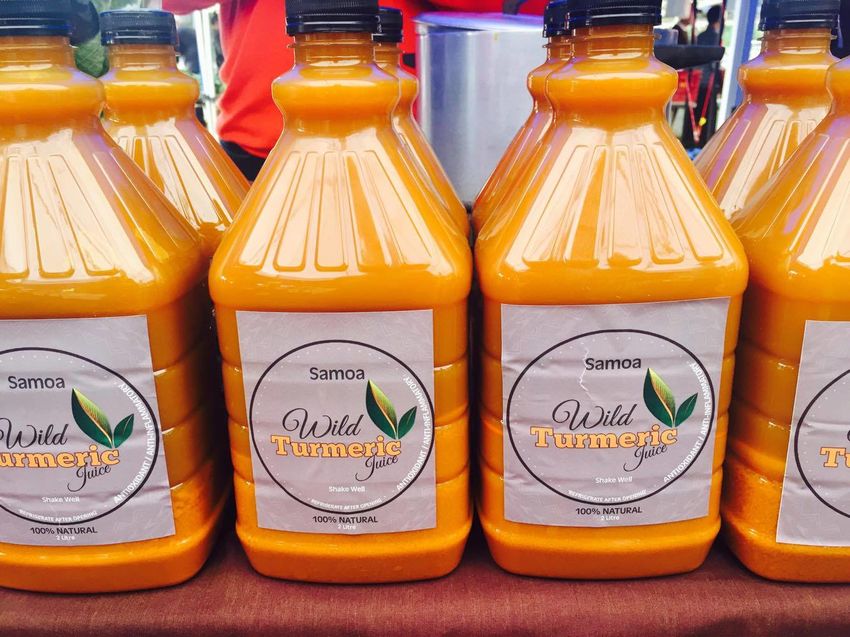
Wild Samoan Turmeric
Within Samoa's volcanic soil and lush rainforest lies a natural treasure that is a kick start to good health
The turmeric root or ago which grows abundantly in Samoa has been used as a natural Smaoan remedy for centuries with its healing benifits being handed down through the generations.

Minnesota Research Shows Potency of Kava Against Lung Cancer
Sometimes the most simple and elegant solution to a problem has actually been known for a very long time. We saw an example of this last year in the University of Minnesota’s pancreatic cancer drug, derived from the traditional Chinese tea ingredient known as the Thunder God Vine. This year, University of Minnesota researchers explore another ancient plant’s capacity to solve modern-day problems.
Source: Biotech Calendar
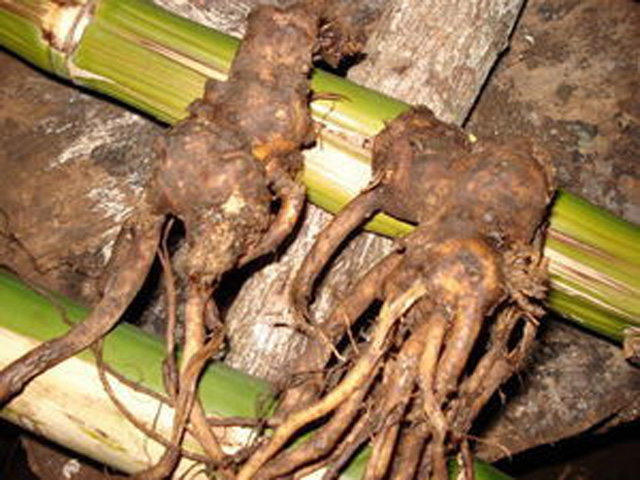
The plant in question is formally named Piper methysticum, though many know it as kava. Kava roots are a common ingredient in traditional beverages on the islands of the South Pacific like Vanuatu, Fiji, and Western Samoa. Kava has been linked previously to the prevention and treatment of lung cancer, and with good reason: although smoking rates in the South Pacific islands are comparable to those of the United States, lung cancer rates are 90 to 95 percent lower in the islands.
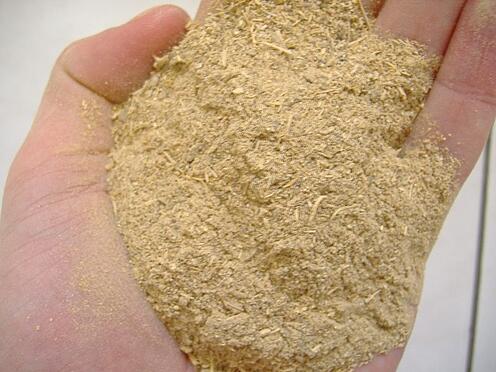
(Ground kava root, ready to be mixed with water to create a traditional South Pacific beverage.…more
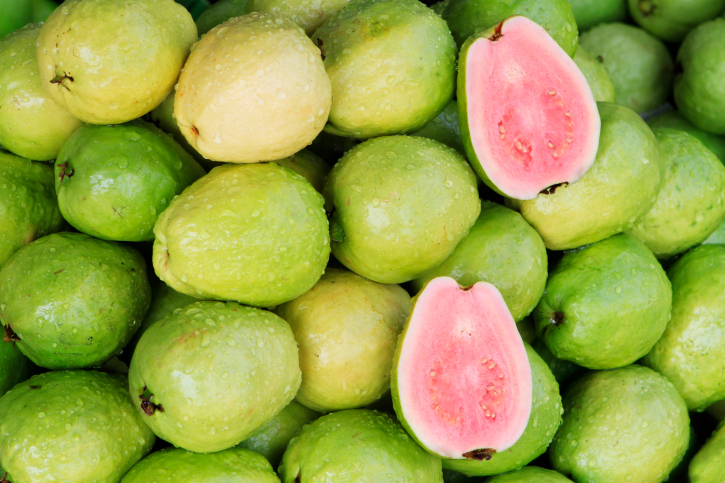
The Top 10 Health Benefits of Guava
Despite being a tropical fruit with distinctive flavor and fragrance, the guava is also known for the various health-improving properties. What isn't common knowledge is that the bark and leaves are also useful to improving our health.
Source: Health Adore
The guava fruit is one of the least chemically treated and sprayed fruits, and is now easily available around the world. It's packed with vitamins and minerals - 4 times the Vitamin C of an oranges and 10 times more Vitamin A than a lemon. And that is not all; it also contains Vitamins B2, E and K, Calcium, Folate, Fiber, Copper, Iron, Potassium, Manganese and Phosphorus.
All around the world, it is used in cooking both sweet and savory dishes. Guava juice is also a refreshing beverage, and is also used in sauces, candies, jams and jellies.
Here are the top 10 health benefits of guava and guava leaves.
-
Maintains Oral Health
With dental plaque being the principal factor in many oral health problems, guava comes as the solution.…more
The benefits of Breadfruit, long time Poly super food!
Is this the new wonder food? Breadfruit is high in protein and has the potential to feed the world, experts say
- Breadfruit has lumpy green flesh and a potato-like texture
- It is widely eaten in the Pacific Islands and scientists are encouraging the planting of trees in countries with poor food security
- One breadfruit, which weighs around 7 lbs (3kg) provides the carbohydrate portion of a meal for a family of five
- It can be can be ground into flour and used to make pancakes
- The fruit is rich in vitamins and is a source of carbohydrate and protein
- The protein in the fruit has a higher proportion of aminio acids than soy
It may not be a fruit that you automatically reach for in the supermarket, but the large and exotic breadfruit is being touted as a wonder food.
Known by its Latin name, artocarpus altilis, the fruit has lumpy green flesh and a potato-like texture so that it can be served as part of a main meal or turned into sweets.…more
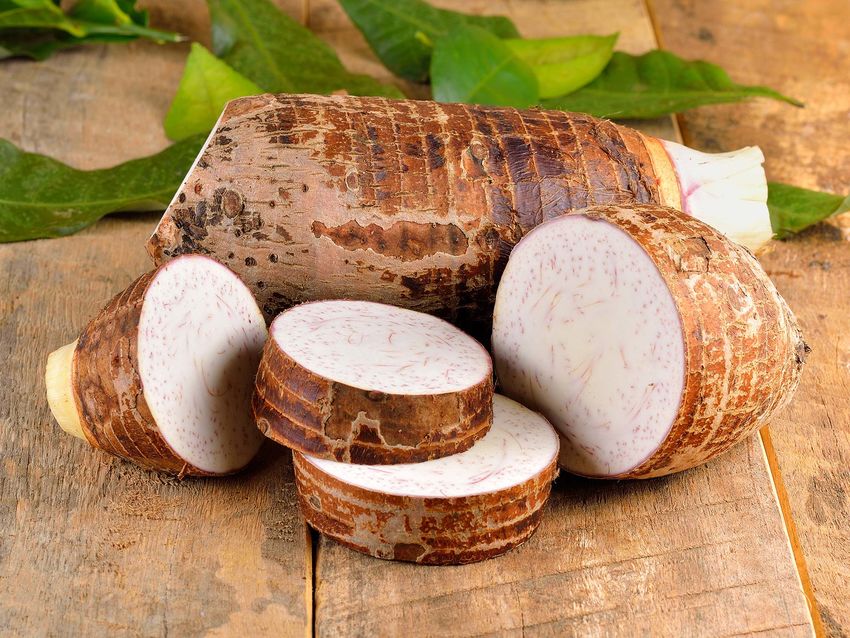
HEALTH BENEFITS OF TARO
The health benefits of taro include its ability to improve digestion, lower your blood sugar levels, prevent certain types of cancers, protect the skin, boost vision health, increase circulation, decrease blood pressure, aid the immune system and prevent heart disease, while also supporting muscle and nerve health.
Taro root, which is the thick, tuber stalk of the taro plant is an extremely important part of global cuisines and diets, as it has been for thousands of years.
In fact, taro is considered one of the first cultivated plants in human history. Its scientific name is Colocasia esculenta and it has a truly fascinating history.
It is believed to be native to Southeast Asia and southern India, but it is cultivated and used all over the Pacific Islands. Every culture uses taro in a slightly different way, depending on how it is prepared and the variety of the crop that is grown. It is also one of the few crops that can grow in flooded areas, due to its petioles, which can transfer materials even whilst underwater.…more
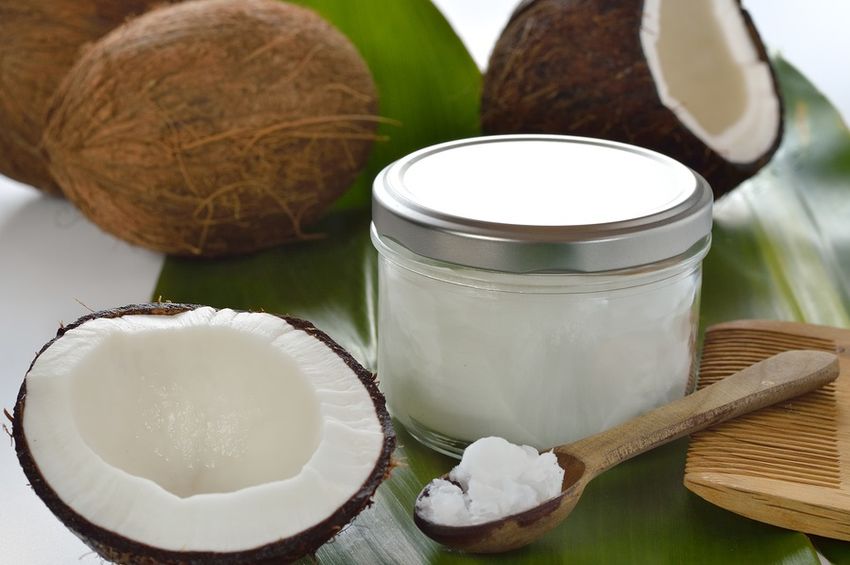
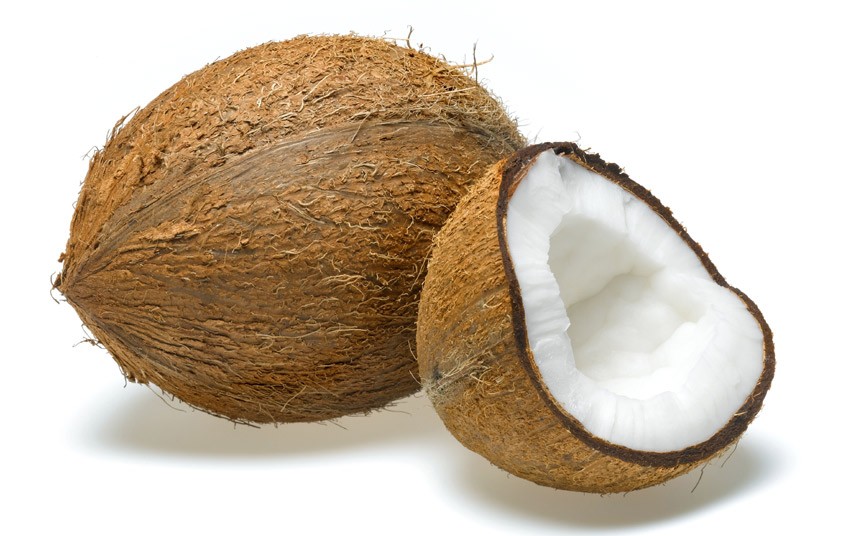
Virgin Coconut oil effective in treating diabetes!
Can Virgin Coconut Oil be the superfood that everyone is saying it is?
Source: Health Impact News
25.8 million children and adults in the United States, 8.3% of the population, have diabetes.
The current rate of people becoming diabetic in the United states is doubling every 10 years. This has resulted in a windfall for pharmaceutical companies capitalizing on this “disease” with drugs designed to treat type 2 diabetes, but not deal with the underlying cause. These drugs have serious side effects.
One of the most popular diabetes drugs, Avandia, was pulled off the market in 2011 after a number of studies showed that the drug increased the risk of heart attacks among type 2 diabetes patients. The manufacturer of the drug reached a $3 billion settlement in December 2011 over its fraudulent marketing of the drug, the largest federal criminal drug-company settlement to date.
Information that is finally making its way into the mainstream media is that type 2 diabetes is a lifestyle and diet issue that can be reversed without drugs.…more
Calling all Supa Suga's and Mamas to be!
Get some tips and tricks for all you Supa Suga's out there for the health of you and your child!
For more info and tips, check out http://bestforbaby.co.nz!
Breadfruit may aid in feeding 9.6 billion!
The humble breadfruit is fast becoming the answer to the world's growing population!
The Breadfruit Institute is attempting to tackle hunger and deforestation by working with non-profit groups to plant breadfruit trees in such countries as Kenya, Rwanda, Pakistan and Zambia.
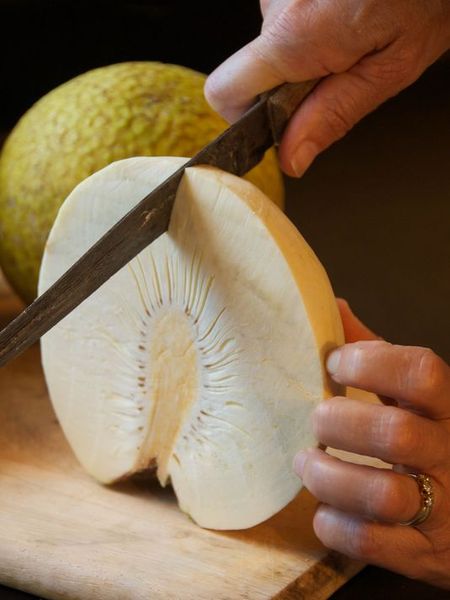
A healthy source of carbohydrates and antioxidants, calcium, iron and fiber, breadfruit provides better and quality nutrition - The starchy breadfruit can replace potatoes , and can be boiled, steamed or fried to make chips.
The Institute began at the National Tropical Botanical Garden in Hawaii in 2003 and launched the global Hunger Initiative to respond to global food security issues about five years later.
In collaboration with other organizations, the privately funded institute has sent about 60,000 plants to around 32 countries.
Check out more info on the project here!
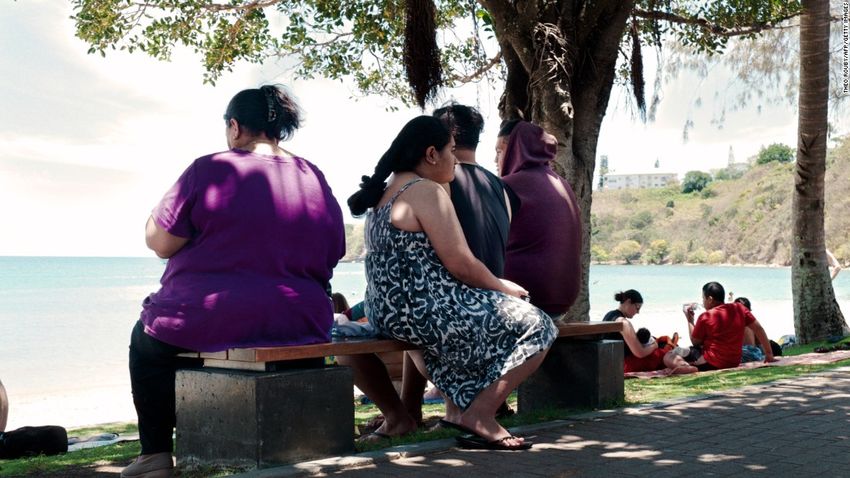
Pacific Islands becoming the fattest place in the world?
A recent scientific study has shown that the people within the Pacific region are amoung the most obese in the world.
Of the top 10 most obese countries or territories in the globe, nine of them are from the Pacific region - according to the World Health Organisation; thus making it the fattest region in the world.
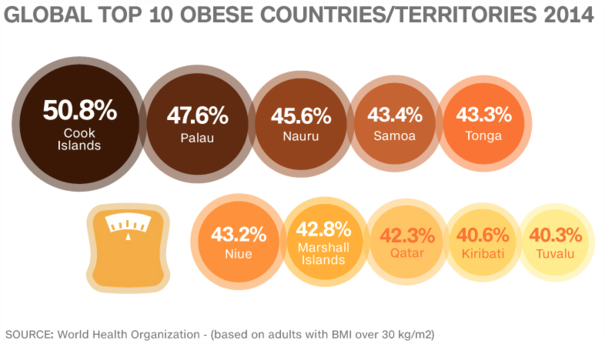
"Up to 95% of the adult population are overweight or obese in some countries," says Temo Waqanivalu, program officer with the WHO's Prevention of Non-communicable Diseases department.
As a Fijian, Waqanivalu has seen this epidemic continually grow for over a decade, and hasn't been helped by the culutral acceptance of bigger bodies is beautiful.
"In Polynesia the perception of 'big is beautiful' does exist," he says. "[But] big is beautiful, fat is not.…more